


- MaxiCharger DH480
- MaxiCharger AC Pro
- MaxiCharger DC HiPower
- MaxiCharger DC Fast
- MaxiCharger DC Compact
- MaxiCharger AC Elite


- For CPOs
- For Fleets
- For Destination
- For Residential
 MaxiCharger DH480
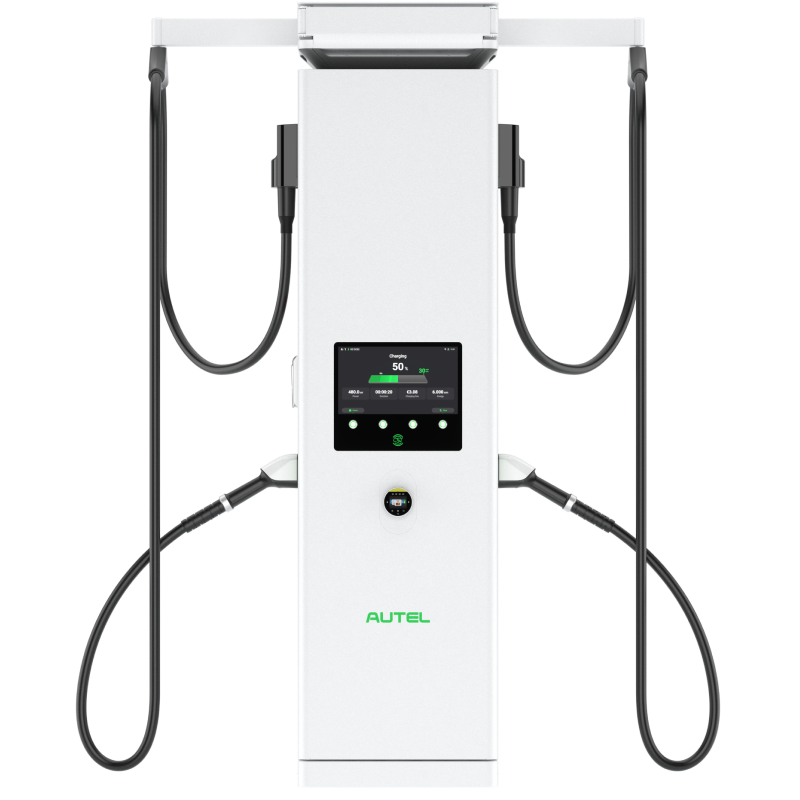 MaxiCharger DC HiPower
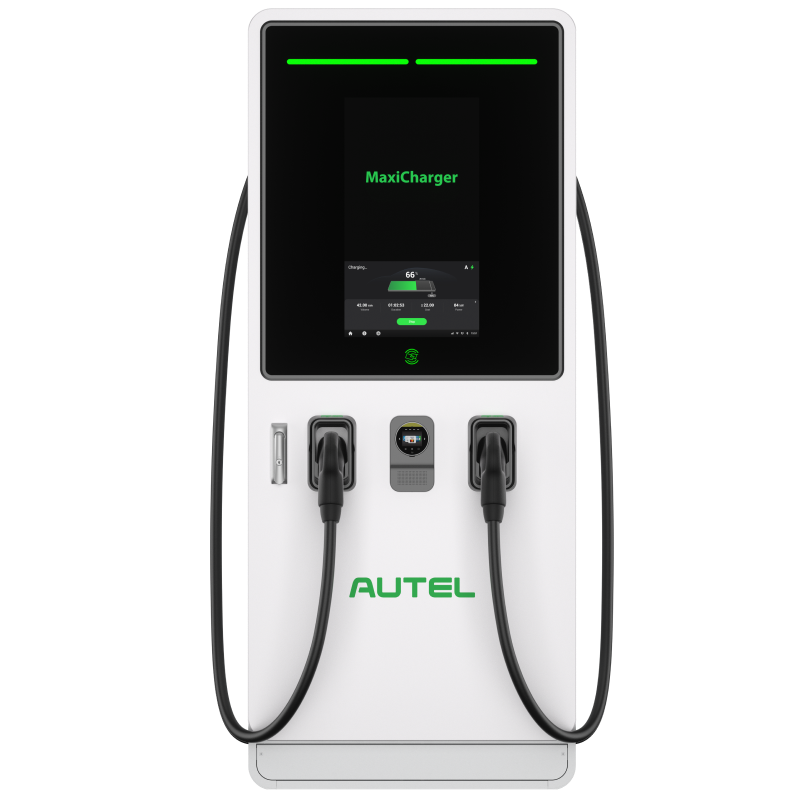 MaxiCharger DC Fast
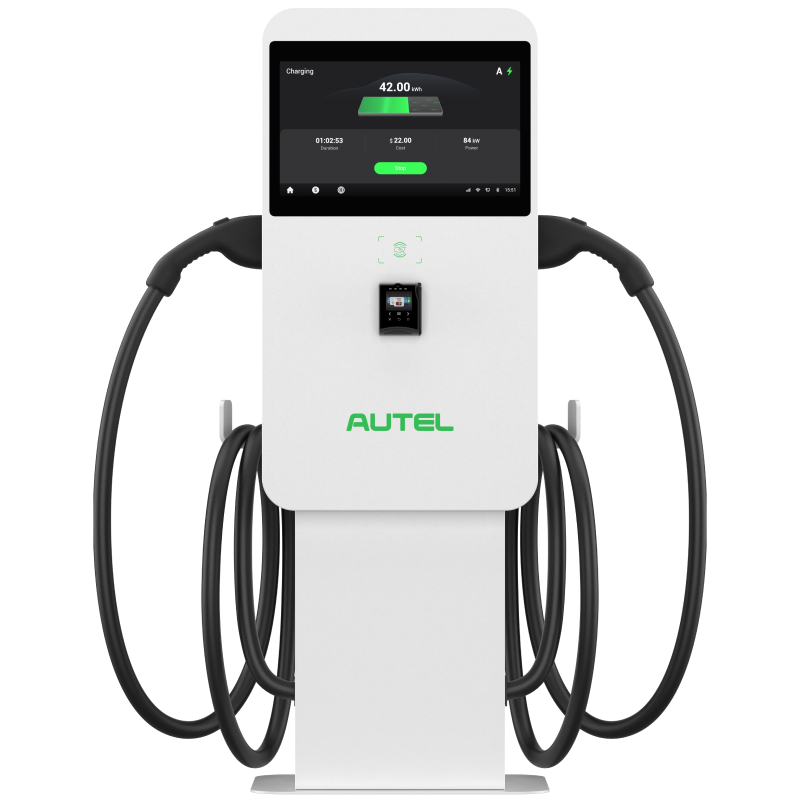 MaxiCharger DC Compact
 MaxiCharger AC Pro
 MaxiCharger AC Ultra
 MaxiCharger AC Elite
 Software
- Partner Introduction
- Become A Partner
- Event
- FAQ
- Blog
- About Autel
- Contact Us
- Sustainability
- Newsroom
- Brand Center
- Product Center
Login/Sign upGlobalA complete guide to the ROI of EV charging stations

Investing in EV charging infrastructure is a strategic move for companies aligning with growing electric mobility trends and sustainability goals. Understanding the Return on Investment (ROI) is essential to balance costs and benefits effectively. This guide walks through how to evaluate ROI comprehensively, factoring in user demand, operational realities, and financial planning, helping businesses make informed, financially sound decisions while meeting EV drivers’ expectations.
Key Factors Affecting the ROI of EV Charging Stations
Location and Site Selection
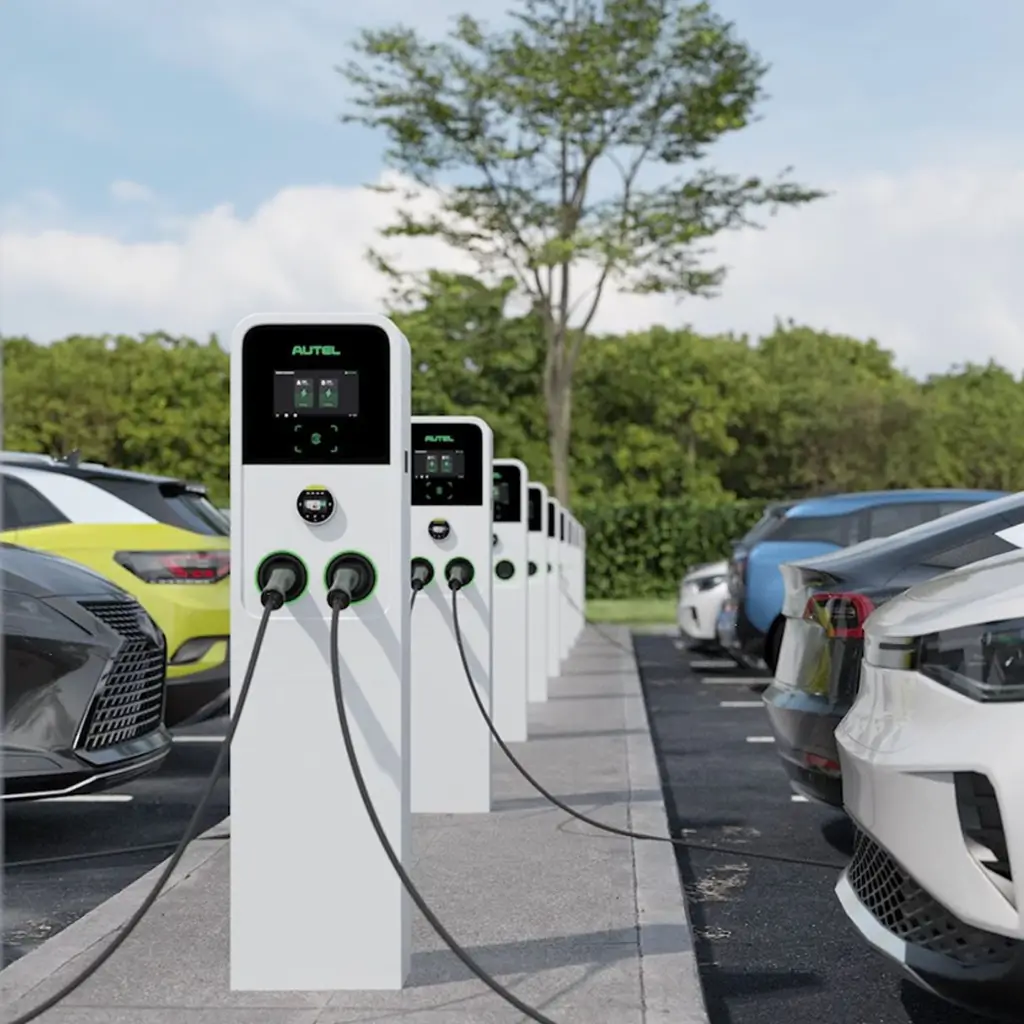
Choosing locations with high EV driver traffic and strong accessibility is fundamental. Ideal sites include urban centers, retail hubs, office complexes, and major travel corridors. For example, a charging station installed near a popular shopping mall or at a busy highway rest area tends to have higher utilization due to convenience and visibility. Additionally, workplace charging at large office campuses encourages employee usage, improving station ROI. Convenience, safety, and clear signage heavily influence utilization rates, which directly impact revenue.
Utilization Rate and User Demand
ROI depends significantly on how often chargers are used. For instance, in regions with high EV adoption like California or New York, charging stations near residential areas or commuter routes typically see higher usage. Companies can forecast usage by analyzing local EV registration data and traffic patterns. A charging station in a suburban neighborhood with growing EV ownership may experience steady demand, leading to faster recovery of investment compared to a low EV-density rural area.
Charging Speed Options and Their Impact
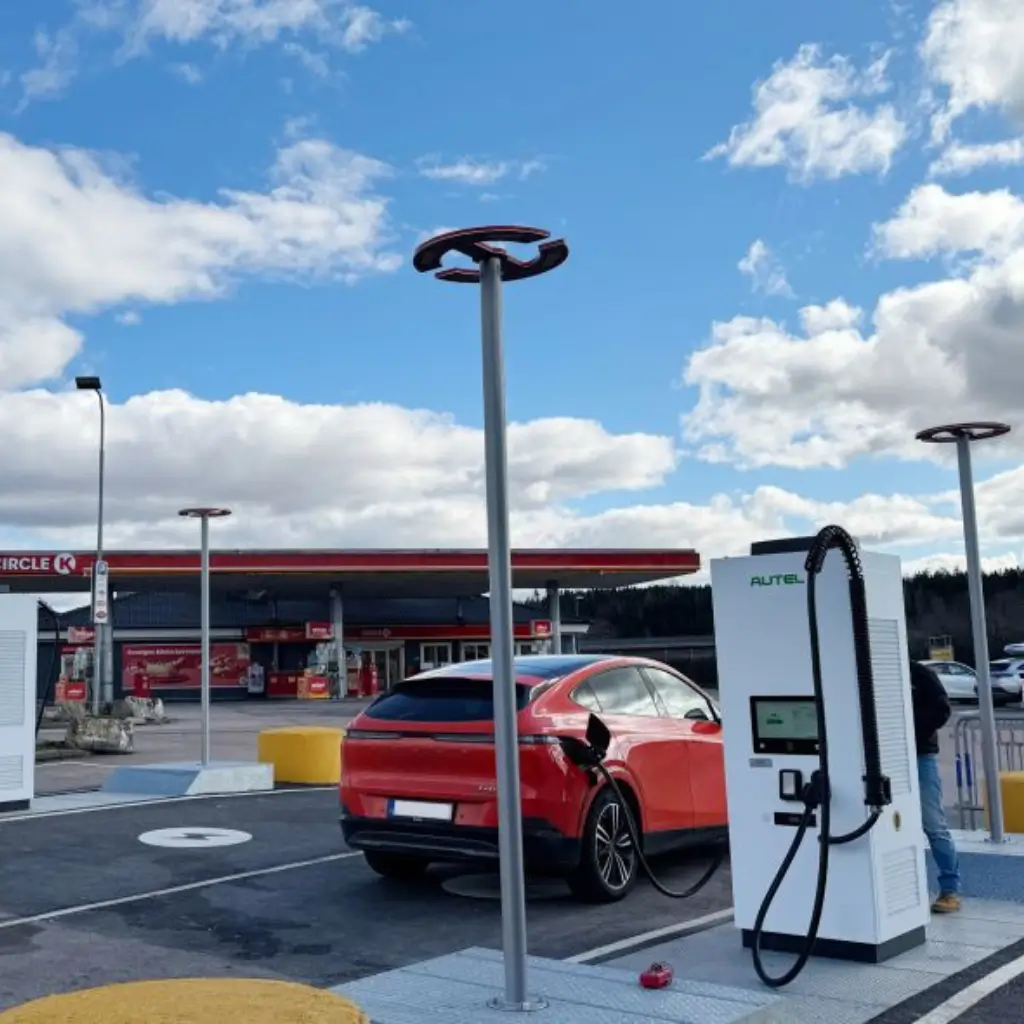
Different users have varying needs: some prioritize cost and accept slower charging times, while others require fast charging for efficiency. Providing a mix of charging speeds—especially DC Chargers—broadens appeal and meets diverse user needs, positively influencing ROI. For example, fleet operators and long-distance travelers prefer fast chargers that provide a significant charge within 30 minutes, while local residents may use slower AC chargers overnight at home or work.
Pricing Strategies and Revenue Components
Designing flexible, transparent pricing models that reflect customer expectations and market dynamics is crucial. Pricing structures might include per-kilowatt-hour charges, time-based fees, or subscription plans. For example, some stations offer discounted membership rates encouraging frequent use, while others implement dynamic pricing that increases fees during peak hours to manage demand. Primary revenues come from charging fees, with supplementary income from partnerships—such as retail discounts for charger users—and on-site advertising. High user satisfaction and frequent usage sustain these revenue streams.
Government Incentives and Tax Benefits
Federal, state, and local incentives help reduce initial and ongoing costs. For example, the U.S. federal EV Infrastructure Tax Credit provides a percentage rebate on equipment and installation costs. Many states offer additional grants and rebates—like California’s CALeVIP program—that significantly lower investment barriers. Companies that actively research and apply for such programs can optimize their financial returns and accelerate ROI timelines.
How to Calculate ROI for EV Charging Stations
Understanding the ROI Formula
ROI measures investment efficiency by comparing net gains against total costs. Calculating it requires comprehensive accounting of all revenues (charging fees, partnerships, advertising) and all associated expenses (capital, operational, maintenance) over a defined period.
Scenario-Based ROI Assessment
Given market uncertainties, evaluating ROI across optimistic, moderate, and conservative scenarios helps companies understand potential outcomes and prepare accordingly.
Practical Strategies to Maximize ROI
Use Charge point Management Systems (CPMS)
Implement CPMS tools early to monitor station performance, track user behavior, adjust pricing dynamically, and schedule predictive maintenance. CPMS improves uptime, enhances user experience, and enables data-driven operational decisions that directly boost profitability.
Optimize Location to Increase Usage
Use data analytics integrating EV adoption rates, traffic flows, and competitor analysis to select high-potential sites. Enhance visibility and safety to build user confidence and encourage repeat visits.
Enhance Utilization with Fast Chargers and Marketing
Incorporate DC Chargers to reduce dwell time and appeal to a broad user base. Support infrastructure deployment with targeted outreach through mobile apps, EV communities, and local partnerships to drive awareness and consistent usage.
Leverage Government Incentives
Continuously track and apply for available subsidies, tax credits, and grants to reduce upfront and operational expenses, improving overall financial performance.
Manage Operating Costs Effectively
Adopt intelligent energy management to shift charging loads to off-peak hours, reducing costly demand charges based on peak power usage. Integrate renewable energy sources and onsite energy storage where feasible to stabilize and lower electricity costs.
Common Challenges and How to Overcome Them
High Upfront Costs
Mitigate capital expenditure pressures through phased rollouts aligned with demand growth, actively leveraging grants and incentives. Flexible financing solutions, such as energy-as-a-service models or third-party ownership, can further ease financial burdens. Smart infrastructure planning and energy management, as offered by Autel Energy, maximize capital efficiency.
Low Utilization Risk
Prevent low usage by basing site selection on robust data analytics and market research. Enhance user experience with reliable fast chargers, seamless payment systems, and real-time station status updates. Engage in active marketing campaigns through EV apps and community platforms to raise awareness and loyalty.
Electricity Demand Charges
Demand charges, based on peak electricity consumption, significantly impact operating costs. Utilizing smart load management and scheduling solutions, Autel Energy allows for shifting charging to off-peak periods and controlling peak loads.Integration with energy storage and renewable energy further helps reduce these costs.
Technology Obsolescence
Invest in modular, upgradeable hardware and software systems that support over-the-air updates and comply with emerging charging protocols. Autel Energy’s full-modular charging systems offer high scalability, allowing infrastructure to adapt and grow without the need for complete equipment replacement, thereby extending asset life and safeguarding investments.
Regulatory Changes
Stay vigilant about evolving federal, state, and local regulations to maintain compliance and incentive eligibility. Use compliance management and data-reporting tools to simplify regulatory adherence, safeguard funding opportunities, and avoid penalties.
Conclusion: Why ROI Understanding is Critical for Investment Success
A comprehensive ROI analysis incorporating financial metrics, operational realities, and user demand insights equips companies to deploy EV charging infrastructure strategically and sustainably. This approach ensures investments deliver measurable returns while addressing evolving market conditions and consumer expectations, securing competitive advantage in the growing EV ecosystem.




- CPOs
- Fleets
- Destination
- Residential
- MaxiCharger DH480
- MaxiCharger DC HiPower
- MaxiCharger DC Fast
- MaxiCharger DC Compact
- MaxiCharger AC Compact
- MaxiCharger AC Elite
- MaxiCharger AC Ultra
- MaxiCharger AC Pro
- Software
- All Products
- Event
- FAQ
- Blog
- About Autel
- Contact Us
- Sustainability
- Newsroom


