


- MaxiCharger DH480
- MaxiCharger AC Pro
- MaxiCharger DC HiPower
- MaxiCharger DC Fast
- MaxiCharger DC Compact
- MaxiCharger AC Elite


- For CPOs
- For Fleets
- For Destination
- For Residential
 MaxiCharger DH480
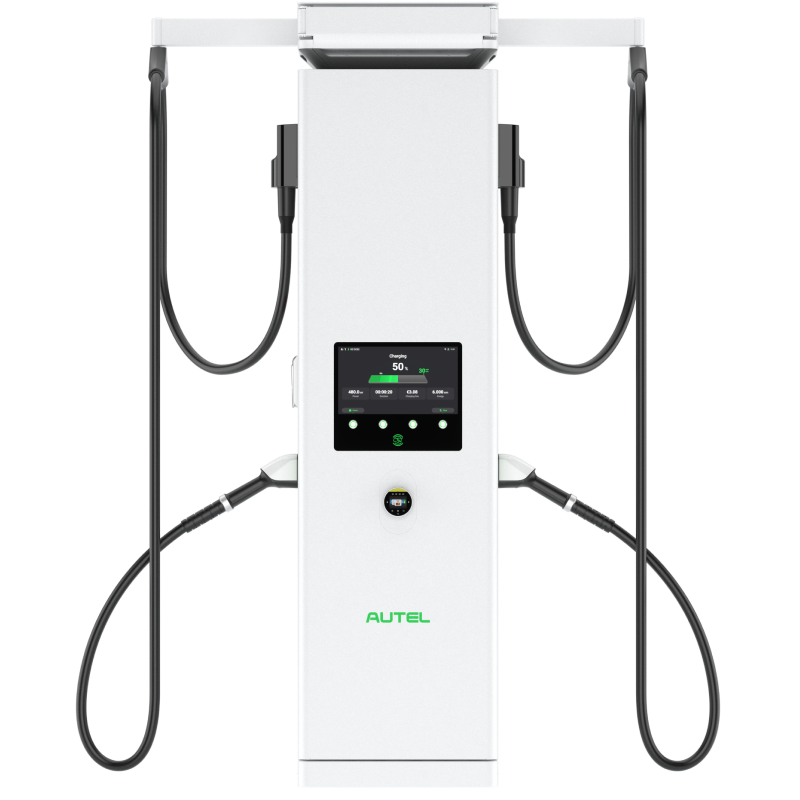 MaxiCharger DC HiPower
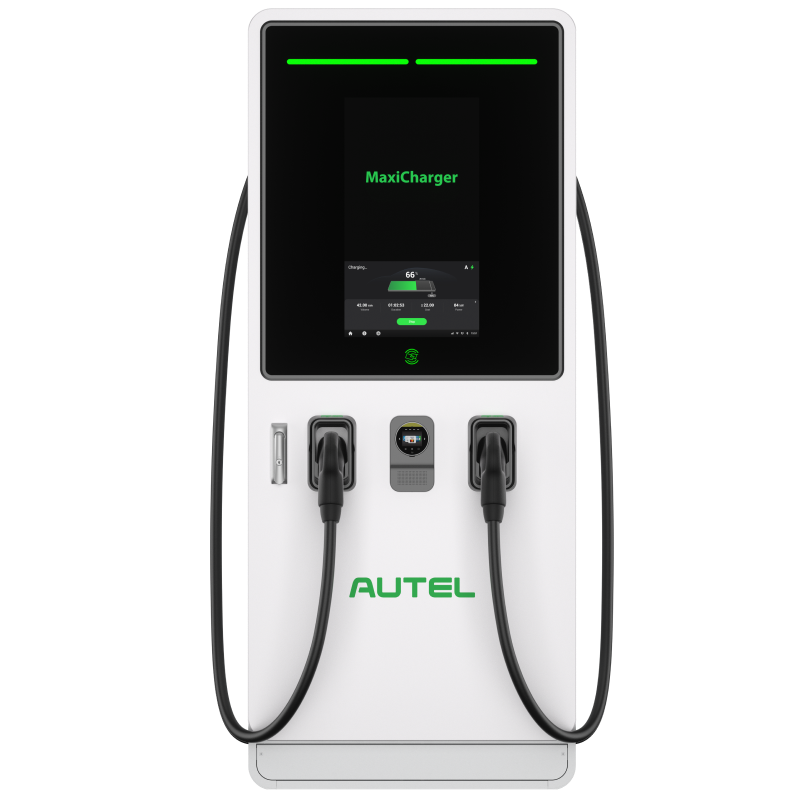 MaxiCharger DC Fast
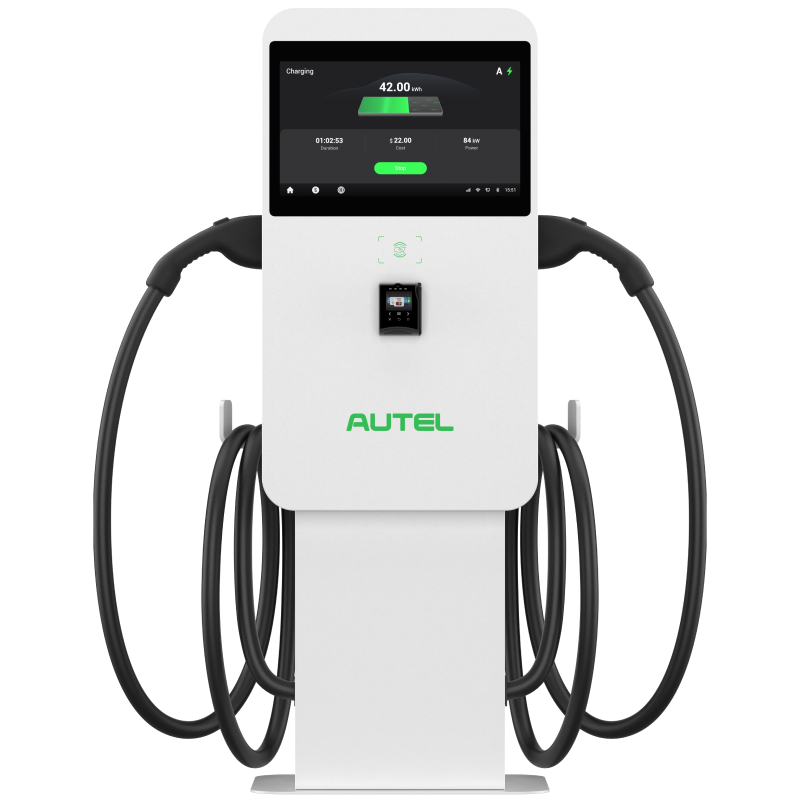 MaxiCharger DC Compact
 MaxiCharger AC Pro
 MaxiCharger AC Ultra
 MaxiCharger AC Elite
 Software
- Partner Introduction
- Become A Partner
- Event
- FAQ
- Blog
- About Autel
- Contact Us
- Sustainability
- Newsroom
- Brand Center
- Product Center
Login/Sign upGlobalChoosing the right EV charging Stations for your commercial property
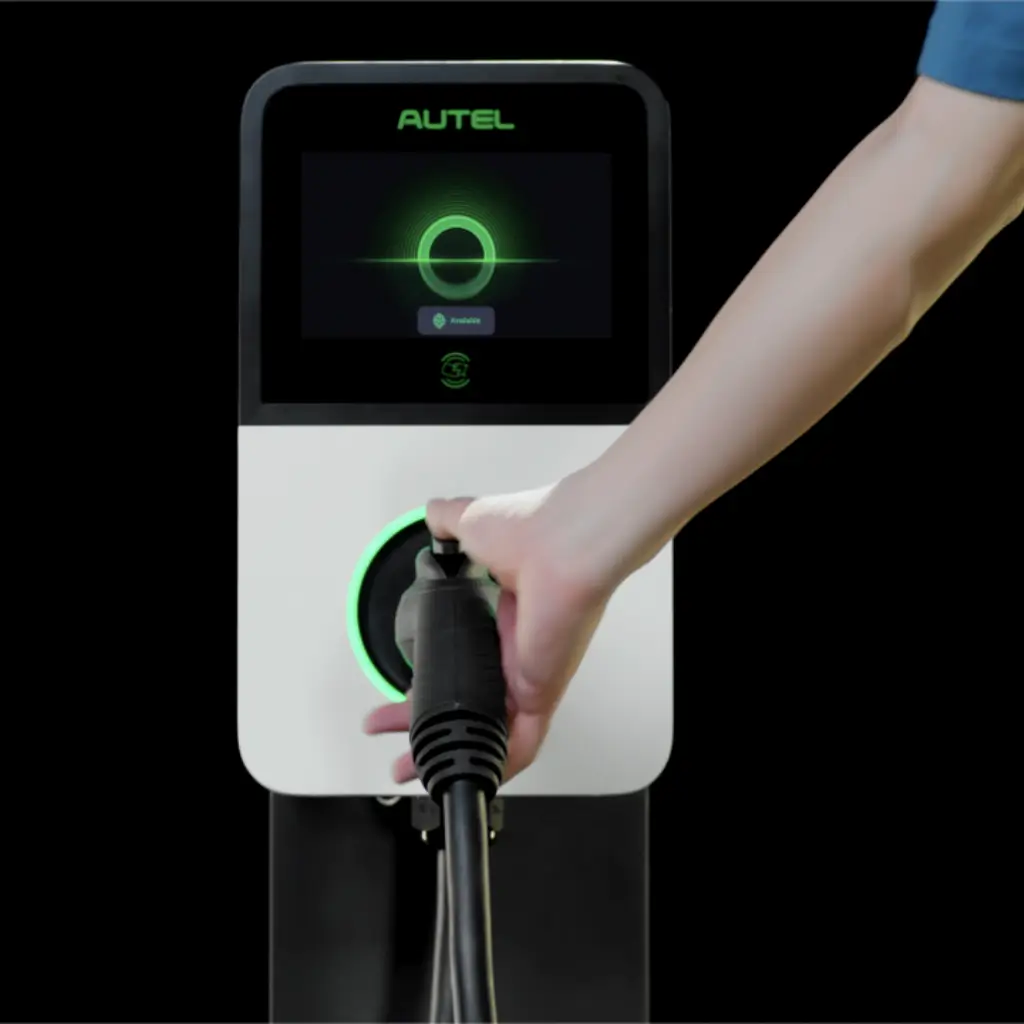
Electric vehicles (EVs) are rapidly increasing on roads and are expected to surpass traditional gasoline cars in the near future. The future of transportation is shifting toward electrification, and businesses, along with consumers, are embracing sustainable solutions.
For commercial property owners, this shift offers a valuable opportunity. Whether you manage retail centers, hotels, motels, or parking facilities, installing EV charging stations can attract eco-conscious customers and increase property value.
However, deploying EV charging infrastructure requires strategic planning to meet long-term business goals. Selecting the right EV charging stations that align with your property’s needs is crucial. This article will guide you through essential considerations for EV charging solutions tailored to commercial properties.
Why Choosing the Right EV Charging Station Matters for Your Business
BloombergNEF projects over 500 million EVs on the road by 2040. Without EV chargers, your commercial property risks losing competitiveness.
Selecting unsuitable chargers—either too slow or too costly—can result in low usage rates, wasted investment, and unhappy customers. Conversely, a well-planned charging solution can generate significant business value and enhance customer satisfaction.
Understanding Commercial EV Charging Options
AC Charging
Operating at 240V, AC Pro chargers deliver 70 miles of range per hour. They balance installation cost, charging speed, and electrical requirements, making them ideal for workplace, retail, and hospitality locations. AC chargers are the most common choice for commercial properties aiming to serve users who park for several hours.
DC Fast Charging (Level 3)
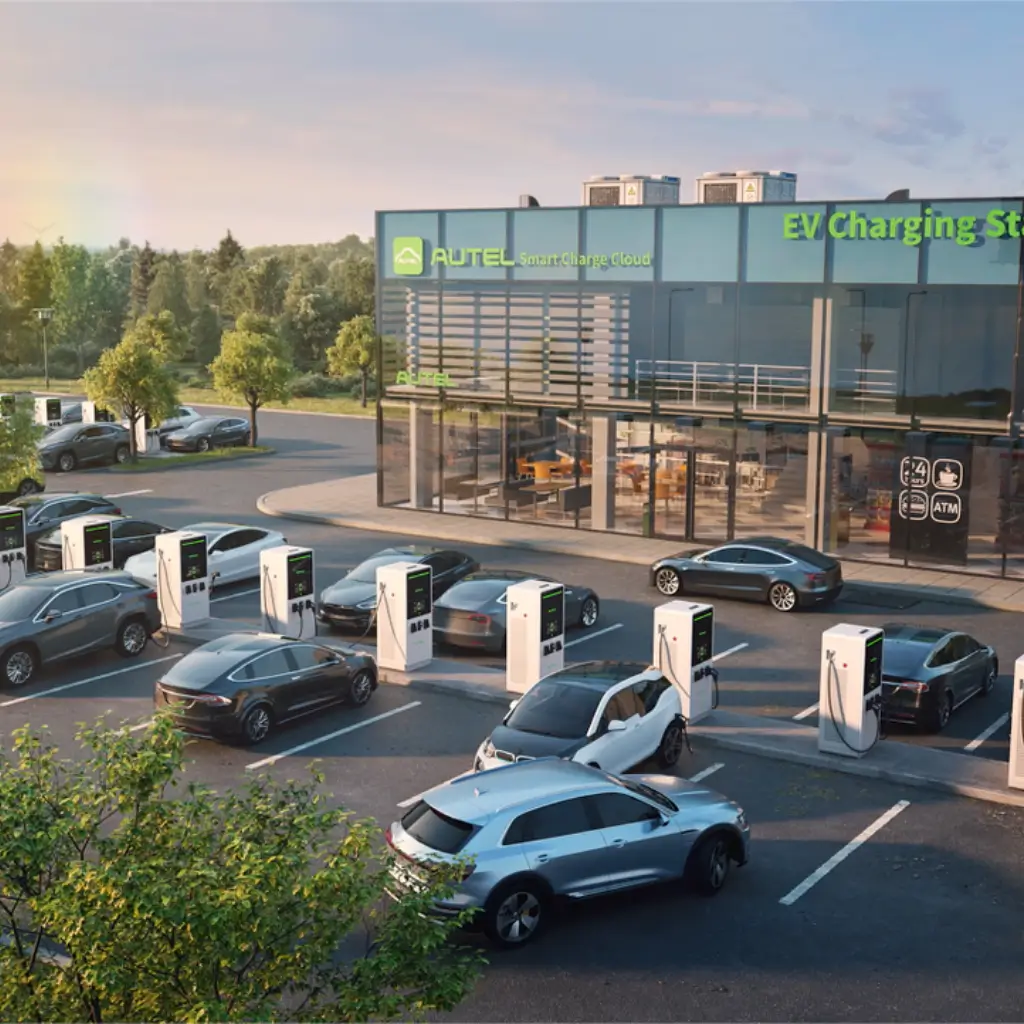
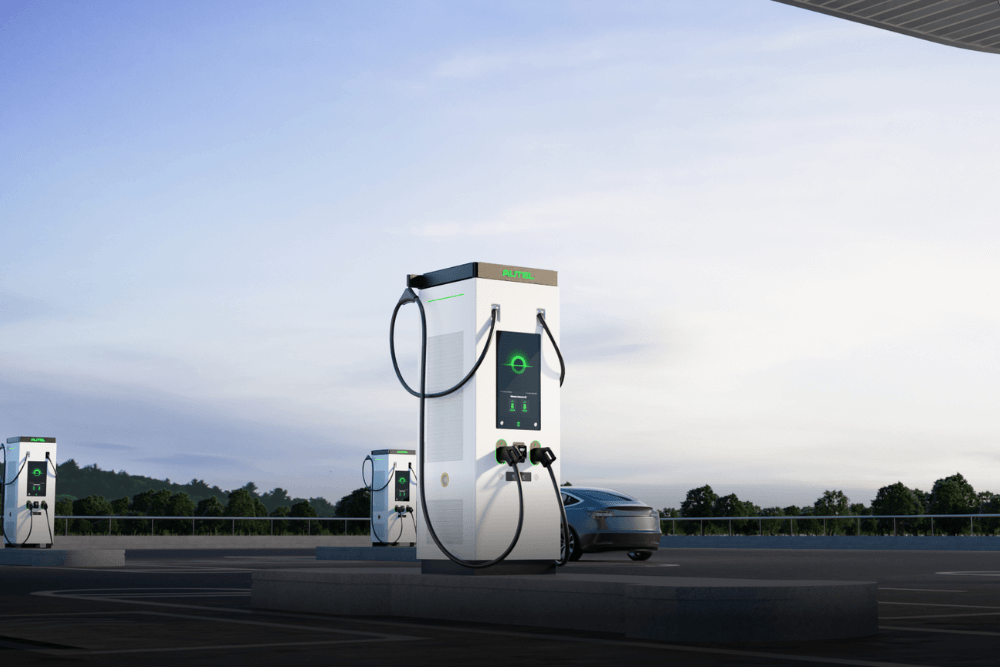
DC fast chargers provide rapid charging, in most cases, replenishing up to 80% battery capacity in 20–30 minutes. These units require substantial electrical infrastructure and higher upfront costs, but meet the needs of high-traffic locations such as highway rest stops or busy commercial centers. DC fast chargers cater to users seeking quick turnaround charging.
Assessing Your Property’s Needs
To design the right EV charging setup, evaluate:
- Estimated daily number of EV users
- Average parking duration per user
- User profiles: employees, customers, or public visitors
- Revenue goals from charging services
Clear answers to these questions help determine the number and type of chargers suitable for your property.
Matching Chargers to User Types
Employees
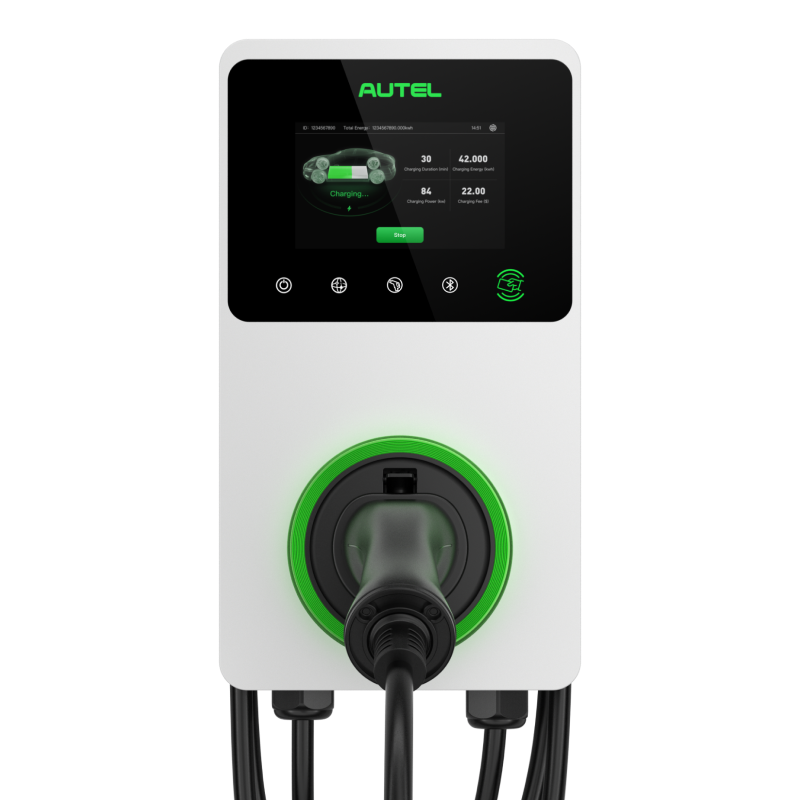
Employees typically park for extended periods during work hours, benefiting from steady Level 2 charging. The Autel MaxiCharger AC Pro delivers consistent performance well-suited to workplace environments.
Customers and Visitors
Visitors often require faster charging and higher availability. Dual-port AC chargers improve throughput by supporting multiple vehicles simultaneously.
Public Users
Public users value convenience, including easy payment options and compatibility with diverse EV models. Chargers equipped with smart features — such as mobile app integration, RFID access, and real-time monitoring — enhance user experience and simplify management.
Key Considerations for EV Charger Selection
Electrical Capacity and Site Layout
Most commercial sites require electrical system upgrades to support AC or DC fast chargers. Ensure adequate space for equipment installation and safe vehicle movement. Charger locations must be clearly marked and easily accessible.
Regulatory Compliance and Incentives
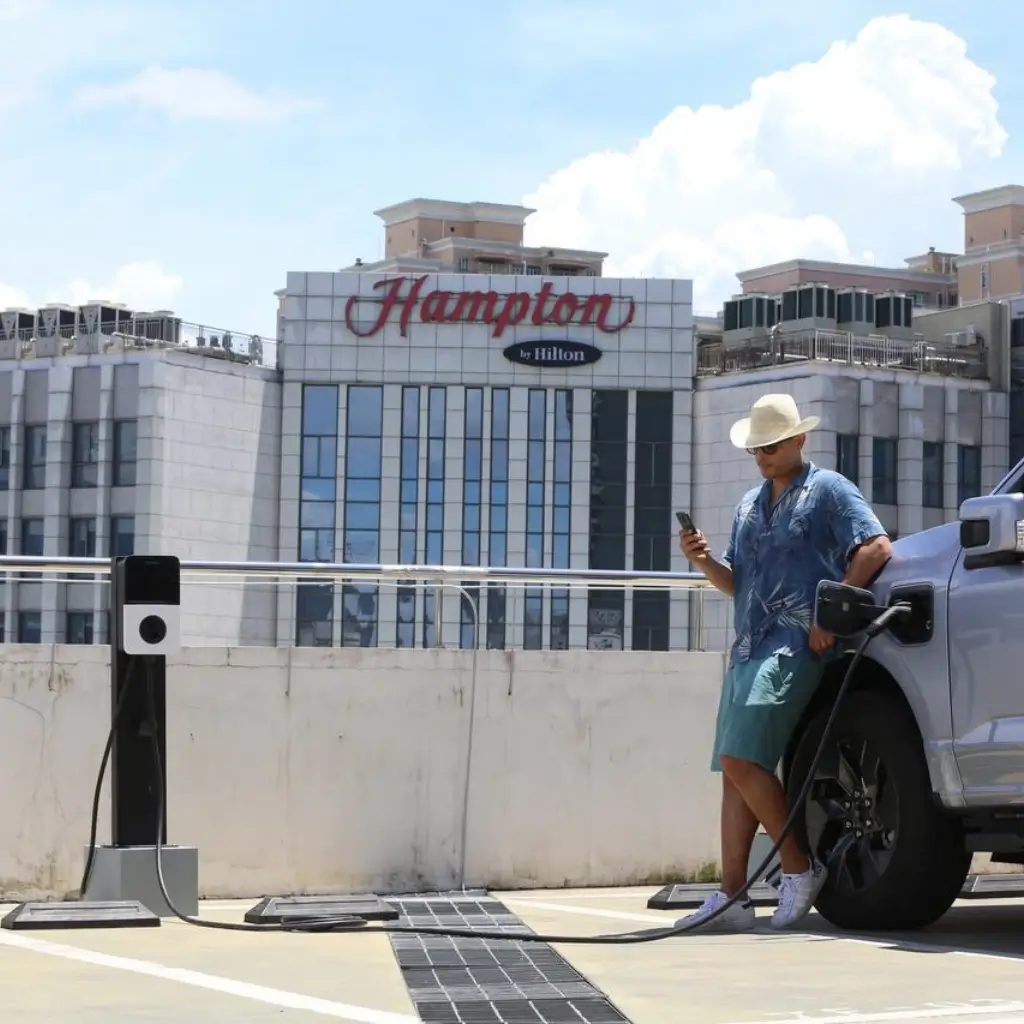
Stay informed about local building codes, zoning laws, and utility requirements. Many US regions offer financial incentives — tax credits, rebates, or grants — to offset installation costs. Partnering with certified installers can streamline permitting and ensure compliance.
Addressing Challenges and Solutions
Installation and Maintenance Costs
While installation costs can be significant, especially if electrical upgrades are necessary, available incentives help reduce expenses. Prioritize durable, weather-resistant chargers requiring minimal maintenance for long-term reliability.
Managing Multiple Chargers
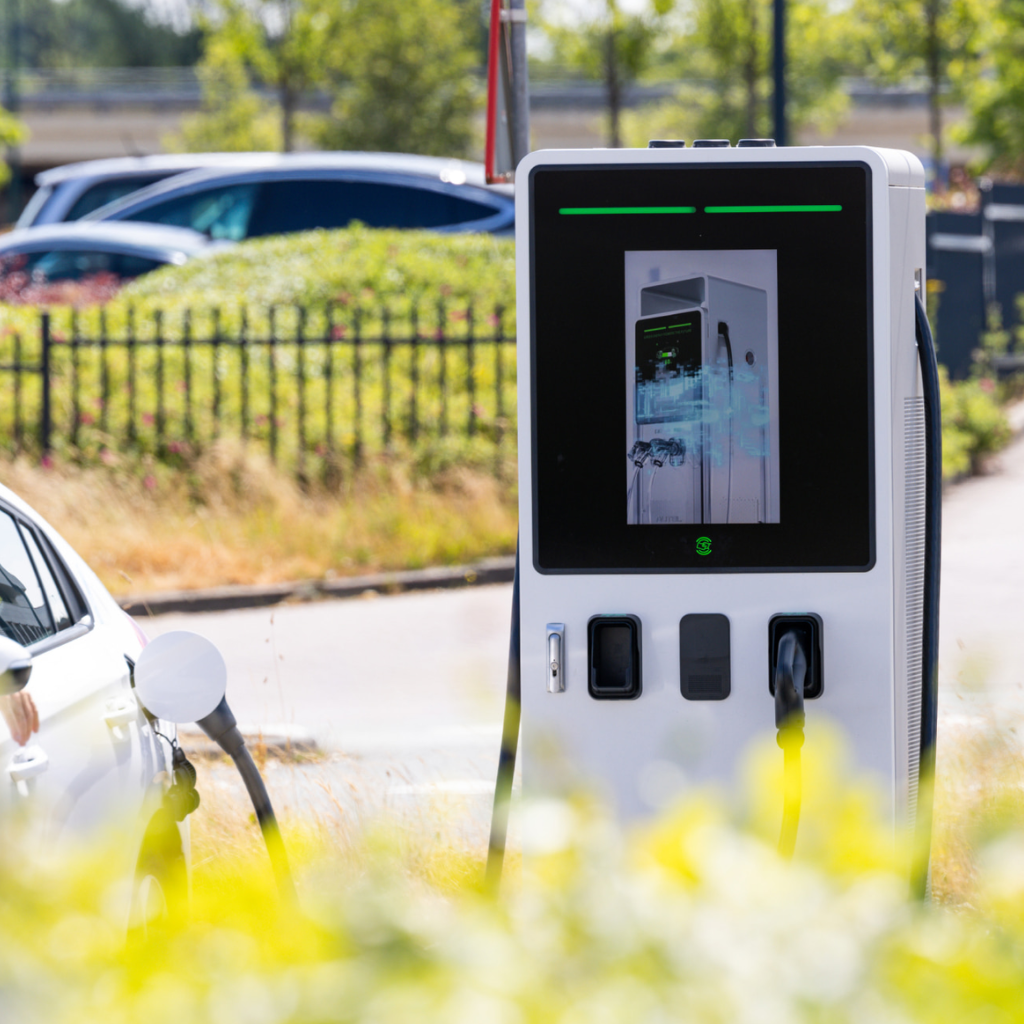
For properties with multiple stations, management platforms are essential. Smart EV charging systems provide monitoring, energy usage control, pricing management, and alert notifications — facilitating efficient operations and unlocking revenue through pay-per-use models.
Conclusion: Future-Proof Your Commercial Property with EV Charging
Investing in EV charging infrastructure positions your commercial property as a forward-thinking, sustainable destination. It attracts eco-conscious customers, increases property value, and opens new revenue streams.
The Autel MaxiCharger AC Pro offers a reliable, versatile solution designed to meet the demands of commercial environments, making it an excellent choice to future-proof your business.




- CPOs
- Fleets
- Destination
- Residential
- MaxiCharger DH480
- MaxiCharger DC HiPower
- MaxiCharger DC Fast
- MaxiCharger DC Compact
- MaxiCharger AC Compact
- MaxiCharger AC Elite
- MaxiCharger AC Ultra
- MaxiCharger AC Pro
- Software
- All Products
- Event
- FAQ
- Blog
- About Autel
- Contact Us
- Sustainability
- Newsroom


