


- MaxiCharger DH480
- MaxiCharger AC Pro
- MaxiCharger DC HiPower
- MaxiCharger DC Fast
- MaxiCharger DC Compact
- MaxiCharger AC Elite


- For CPOs
- For Fleets
- For Destination
- For Residential
 MaxiCharger DH480
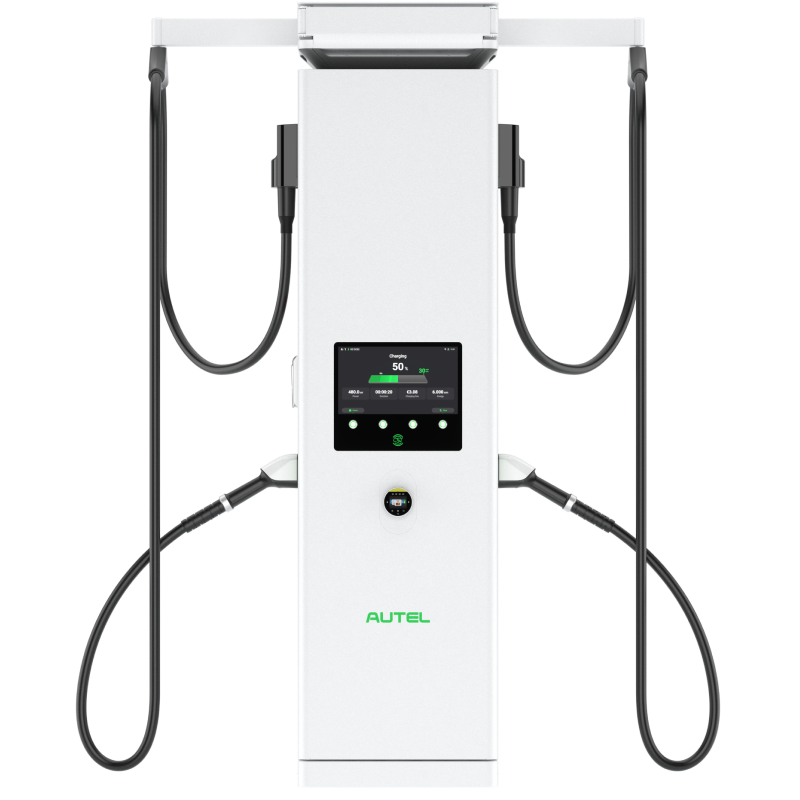 MaxiCharger DC HiPower
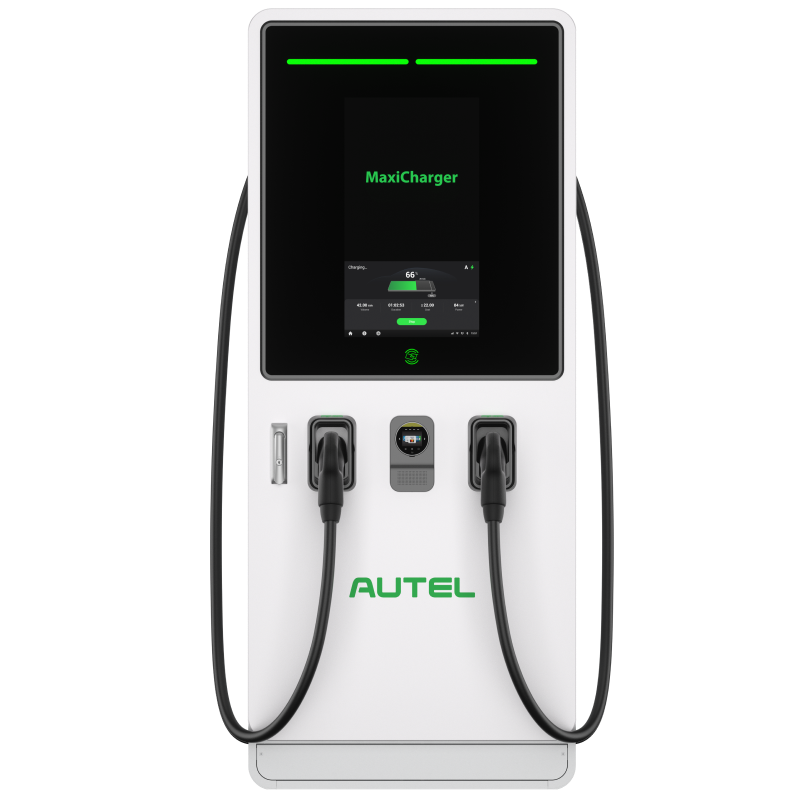 MaxiCharger DC Fast
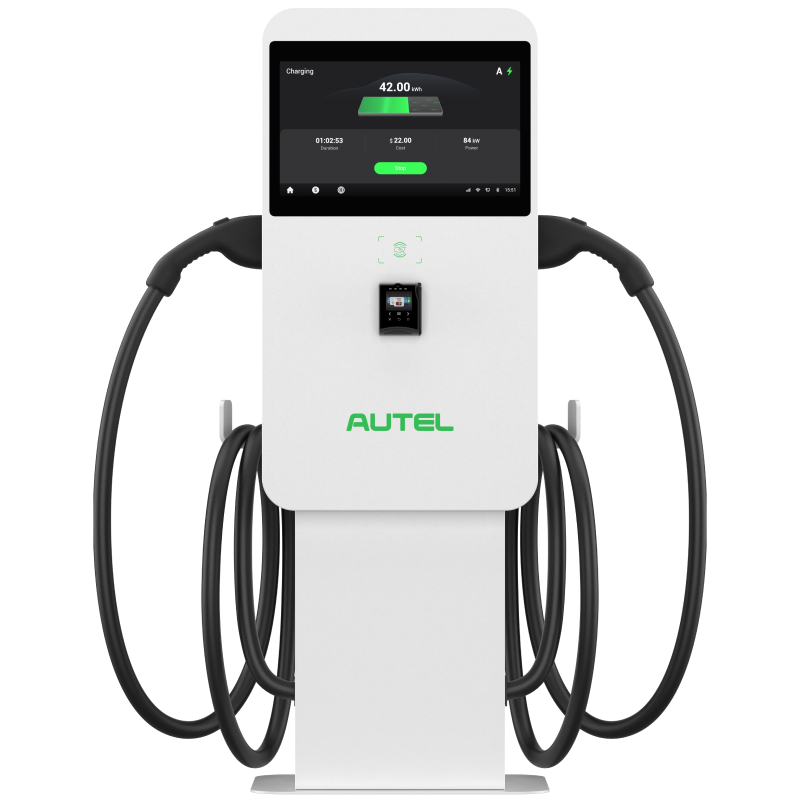 MaxiCharger DC Compact
 MaxiCharger AC Pro
 MaxiCharger AC Ultra
 MaxiCharger AC Elite
 Software
- Partner Introduction
- Become A Partner
- Event
- FAQ
- Blog
- About Autel
- Contact Us
- Sustainability
- Newsroom
- Brand Center
- Product Center
Login/Sign upGlobalFleet electrification planning: A step-by-step guide to the EV Transition
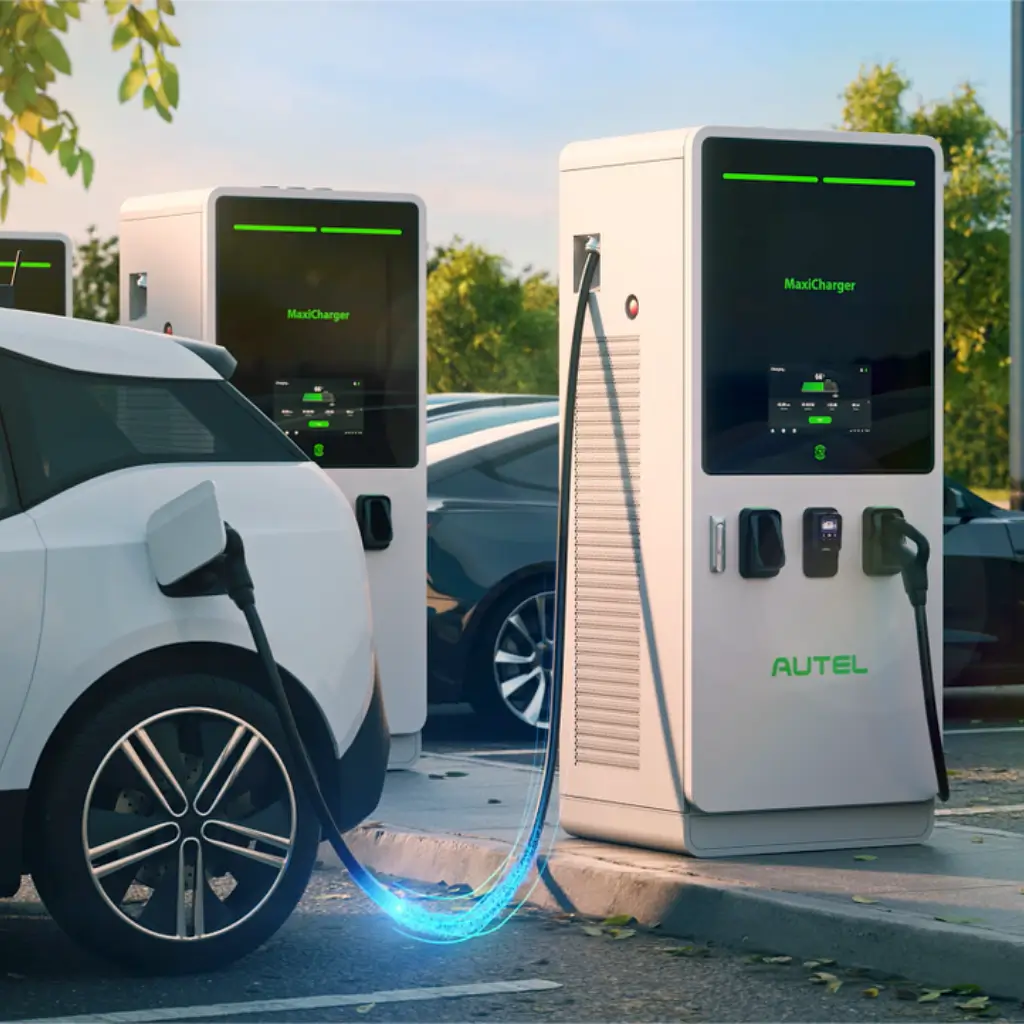
The automobile industry is undergoing a significant transformation. More manufacturers are focusing on green technologies to meet Environmental, Social, and Governance (ESG) goals and reduce operational costs. Fleet electrification emerges as a key strategy for businesses aiming to future-proof their operations.
Rising fuel prices, stricter emission regulations, and consumer demand for sustainable practices make transitioning from internal combustion engine (ICE) vehicles to electric vehicles (EVs) necessary.
Electrifying a fleet reduces carbon footprints and achieves long-term savings in fuel and maintenance. Although it requires strategic planning and investment in infrastructure, the benefits are substantial.
This article outlines each step involved in successfully electrifying a fleet.
Step 1: Understanding the Costs of Fleet Electrification
Before initiating fleet electrification, understanding the financial implications is essential. The upfront investment can be significant, despite future savings.
Initial Costs:
- EVs have a higher purchase price than ICE vehicles due to batteries and advanced technology.
- Installing AC chargers or DC fast chargers involves expenses for equipment, labor, and system upgrades.
- Fleet management systems for monitoring vehicle usage, charging, and route optimization add to the investment.
Operational Savings:
- Electricity costs approximately $0.15 per kWh, translating to around $0.04 per mile, which is lower than the $0.15 per mile cost for gasoline.
- Maintenance expenses decrease by roughly 40%, as EVs eliminate the need for coil changes, transmission repairs, and frequent brake replacements.
Step 2: Selecting the Right Electric Vehicles for Your Fleet
Different types of EVs serve varied commercial purposes. Proper selection depends on understanding your fleet’s operational needs.
Considerations:
- Calculate daily mileage and analyze route profiles, especially for high-mileage or long-distance routes, to determine necessary battery capacity.
- Verify that cargo payload requirements do not negatively affect vehicle range.
- Assess local charging infrastructure availability, including AC charging and DC fast charging options.
- Investigate federal, state, and local rebate programs or tax credits for commercial EV purchases.
Step 3: Developing Your Charging Infrastructure Plan
Reliable charging infrastructure is critical for fleet performance and efficiency.
Location Strategy:
- Centralized charging at a fleet hub allows overnight recharging with powerful chargers.
- For drivers returning home or traveling across regions, installing AC chargers at residences or stops ensures flexibility.
- Placing fast chargers along busy routes supports operational continuity.
Infrastructure Evaluation:
- AC chargers provide 12 to 80 miles of range per hour, while DC fast chargers can replenish 80% of battery capacity within 30 minutes. Choose according to your fleet’s operational demands.
Advanced Charging Solutions from Autel Energy
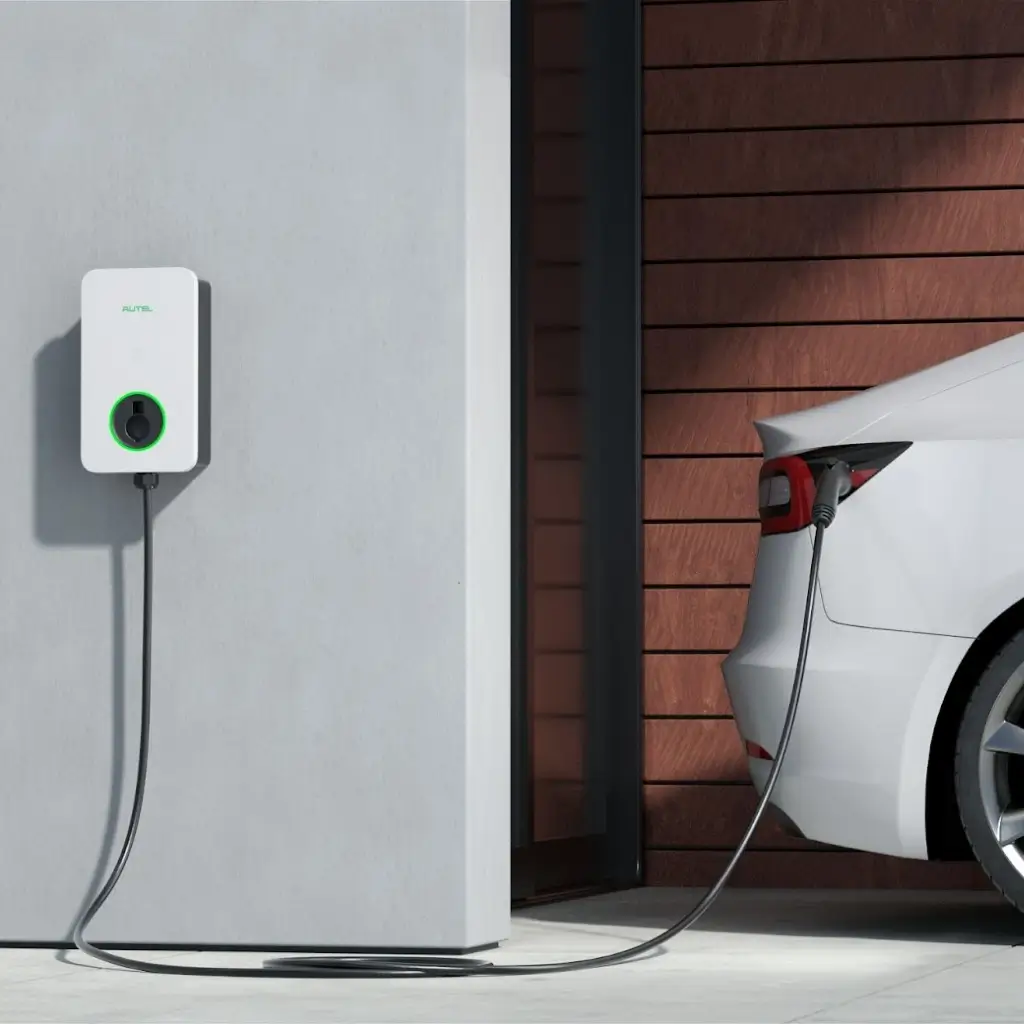
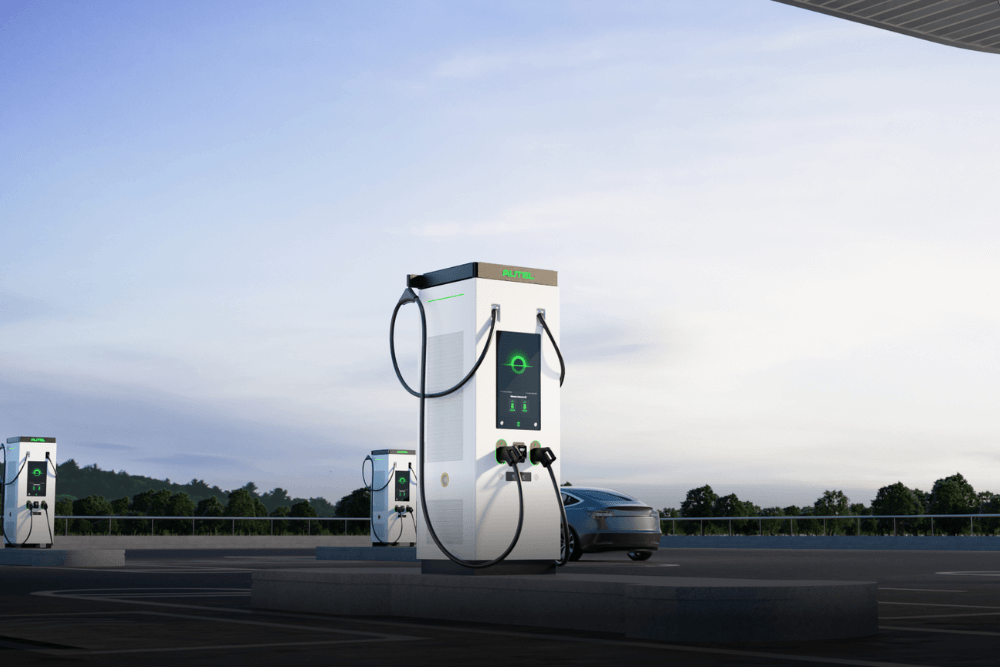
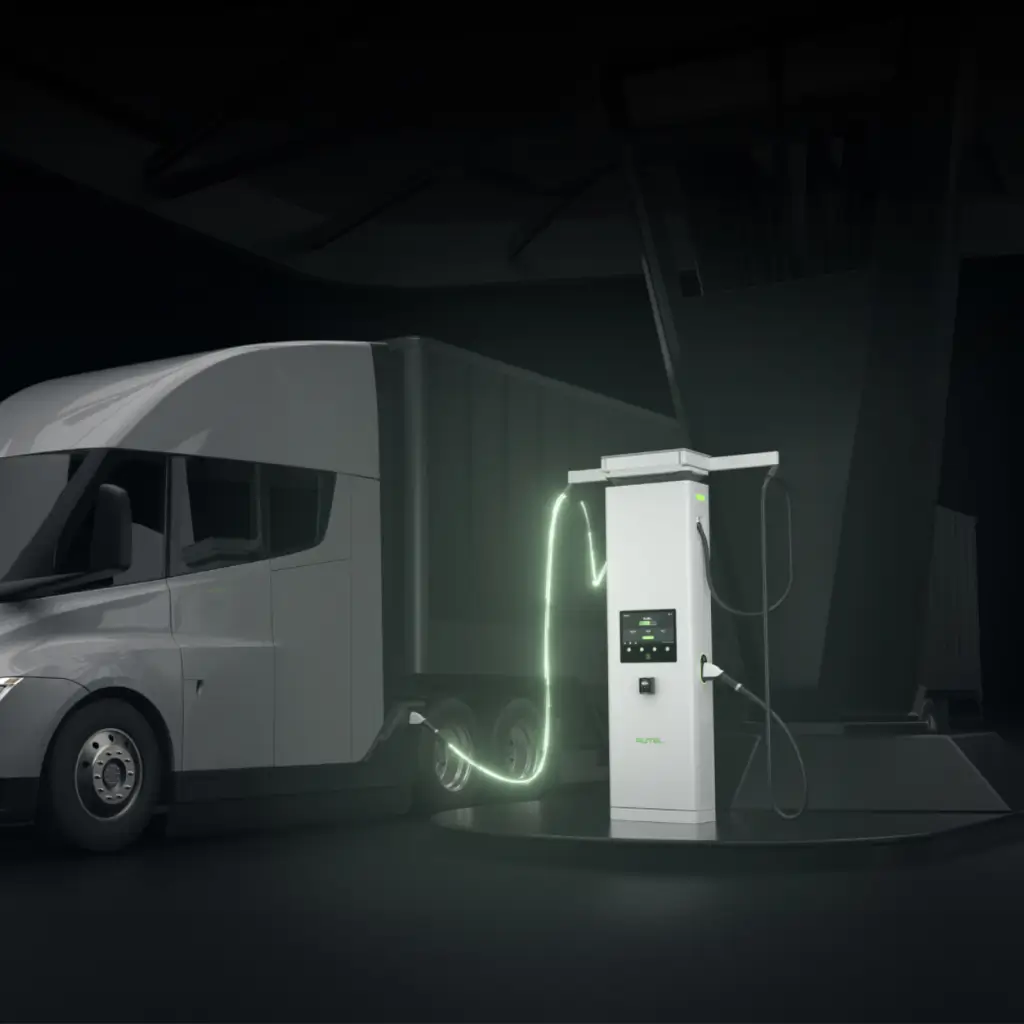
To support the evolving needs of commercial fleets, advanced charging solutions play a vital role. Autel Energy provides a comprehensive portfolio of chargers designed for efficiency, reliability, and scalability.
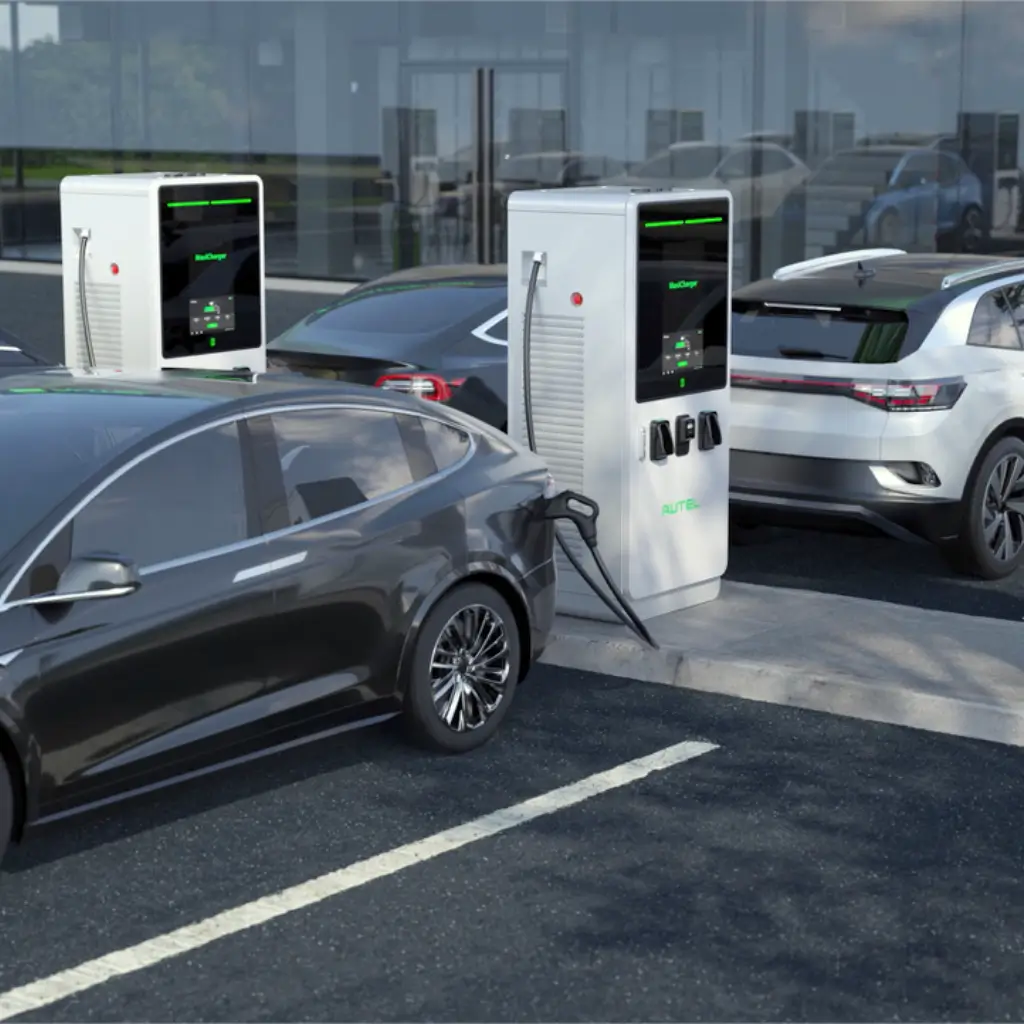
- MaxiCharger DC Compact: This compact DC fast charger offers efficient and reliable charging with power outputs up to 40 kW, ideal for fleet operators seeking to balance performance and space. Its modular design allows seamless scalability, supporting fleet growth without requiring extensive infrastructure changes.
- Smart Energy Management: Autel Energy chargers integrate intelligent software systems to optimize charging schedules, monitor energy consumption, and reduce peak load impacts. This ensures cost-efficient operation and helps fleets manage electricity usage effectively.
- Global Support and Standards Compliance: Autel Energy operates worldwide, offering products that comply with international safety and quality standards. Their chargers feature robust build quality suitable for diverse environments and weather conditions.
- User-Friendly Interfaces: Chargers come equipped with intuitive touchscreens and remote monitoring capabilities, facilitating ease of use for drivers and fleet managers alike.
By incorporating Autel Energy’s advanced chargers and management systems into your infrastructure plan, your fleet gains not only fast and reliable charging but also enhanced control over energy resources and operational costs.
Step 4: Understanding the Regulatory Landscape and Incentives
Awareness of incentives and regulations supports effective fleet electrification.
Federal & State Incentives:
- Some municipalities provide funding to support EV infrastructure and fleet upgrades.
Emissions Standards:
- Compliance with emissions regulations, including zero-emission zones in urban areas, is mandatory to avoid penalties.
Compliance Reporting:
- Maintain accurate records of EV use, emissions reductions, and charging activities to support green certifications and ESG reporting.
Step 5: Creating a Maintenance and Service Plan for EVs
EVs require less maintenance than ICE vehicles, yet scheduled upkeep is necessary for durability.
Key Maintenance Components:
- Monitor battery health with telematics systems to detect drainage, temperature changes, and charging cycles.
- Keep vehicle software updated to enhance performance, safety, and compatibility.
- Conduct routine inspections of tires, suspension, and other components despite regenerative braking reducing wear.
- Maintain HVAC systems, as climate control affects battery efficiency; regular checks of filters and coolant are important.
Step 6: Managing Fleet Downtime During the Transition
Minimizing downtime ensures continuous service during electrification.
Strategies to Reduce Downtime:
- Introduce EVs gradually, starting with low-risk routes to allow staff adjustment.
- Implement shift rotations to maximize vehicle utilization.
- Provide driver training covering efficient driving techniques, regenerative braking, and charging best practices.
- Retain a small number of ICE vehicles for emergencies or unexpected delays.
Conclusion: The Future of Your Fleet is Electric
Fleet electrification represents the future for logistics and transportation companies. Although challenges exist, thorough planning and strategic implementation make the transition manageable and cost-effective.
Understanding your operational needs, evaluating charging infrastructure, leveraging incentives, and following the outlined six-step plan will help transform your fleet efficiently.
Including robust charging solutions ensures your fleet remains powered and mission-ready.




- CPOs
- Fleets
- Destination
- Residential
- MaxiCharger DH480
- MaxiCharger DC HiPower
- MaxiCharger DC Fast
- MaxiCharger DC Compact
- MaxiCharger AC Compact
- MaxiCharger AC Elite
- MaxiCharger AC Ultra
- MaxiCharger AC Pro
- Software
- All Products
- Event
- FAQ
- Blog
- About Autel
- Contact Us
- Sustainability
- Newsroom


