


- MaxiCharger DH480
- MaxiCharger AC Pro
- MaxiCharger DC HiPower
- MaxiCharger DC Fast
- MaxiCharger DC Compact
- MaxiCharger AC Elite


- For CPOs
- For Fleets
- For Destination
- For Residential
 MaxiCharger DH480
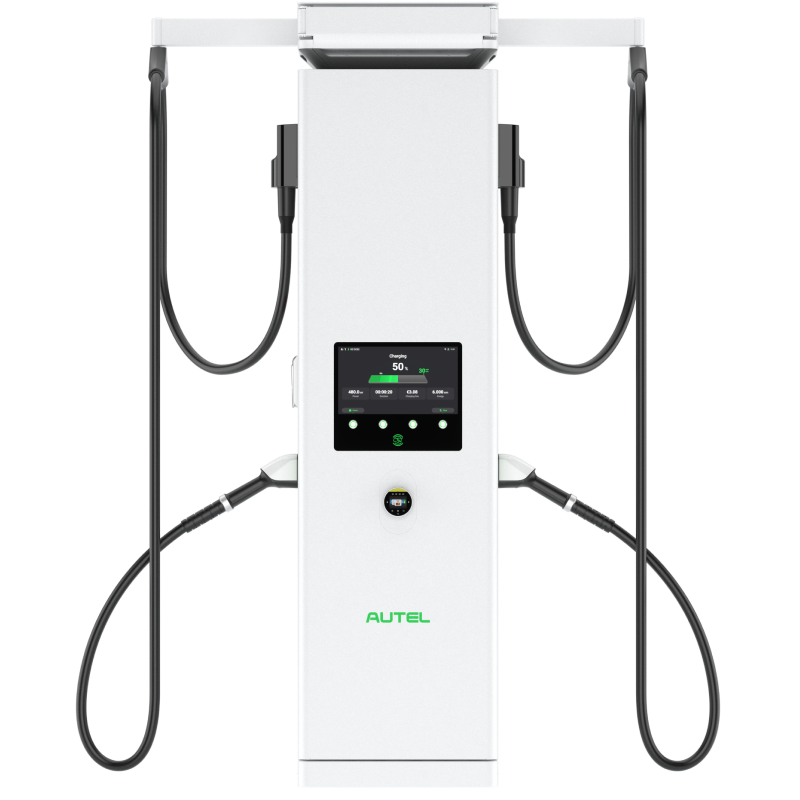 MaxiCharger DC HiPower
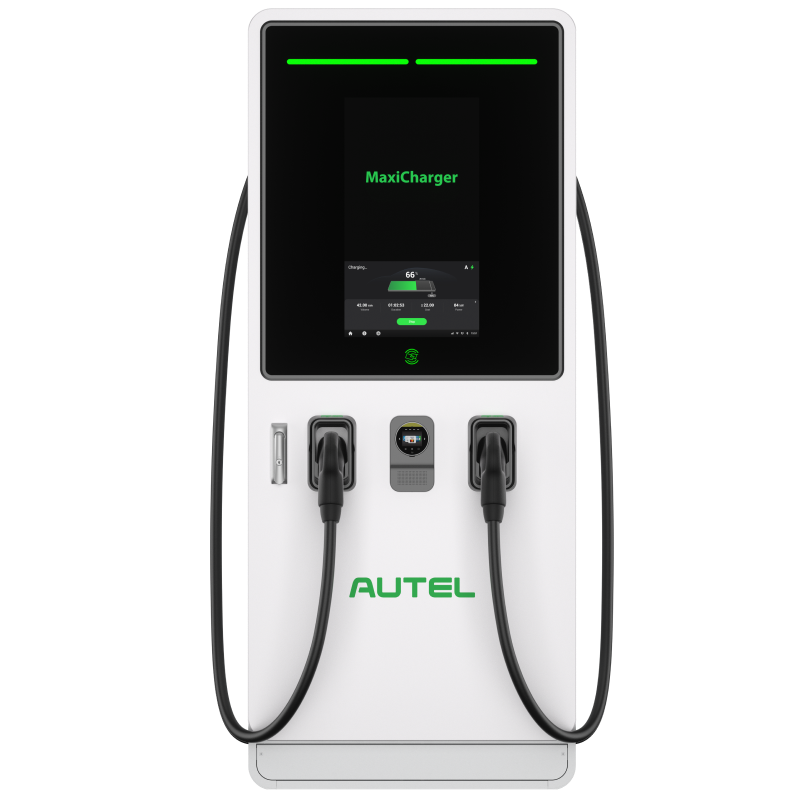 MaxiCharger DC Fast
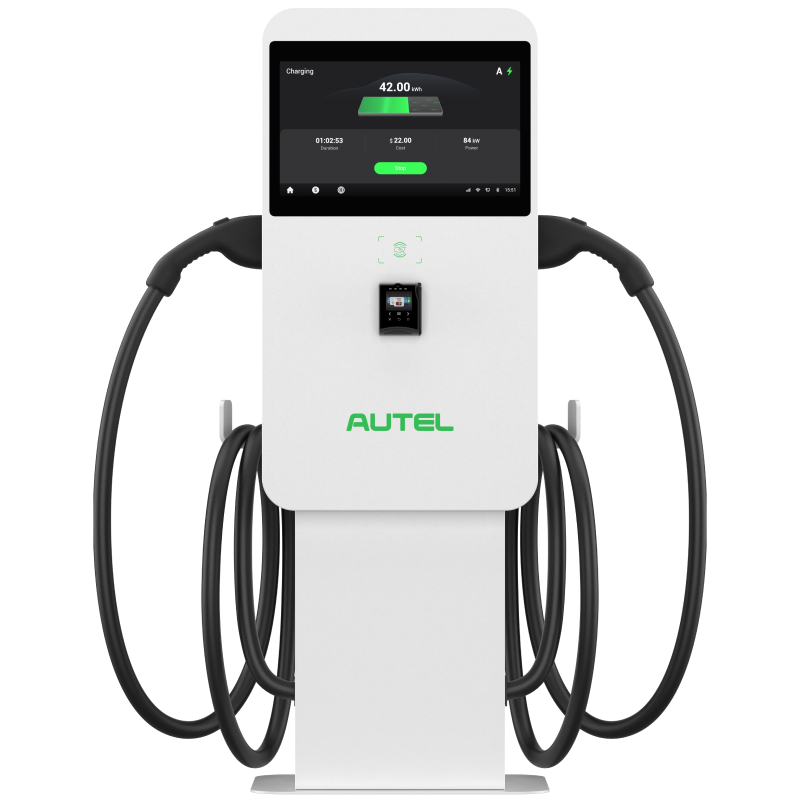 MaxiCharger DC Compact
 MaxiCharger AC Pro
 MaxiCharger AC Ultra
 MaxiCharger AC Elite
 Software
- Partner Introduction
- Become A Partner
- Event
- FAQ
- Blog
- About Autel
- Contact Us
- Sustainability
- Newsroom
- Brand Center
- Product Center
Login/Sign upGlobalHow long does it take to charge an electric car?
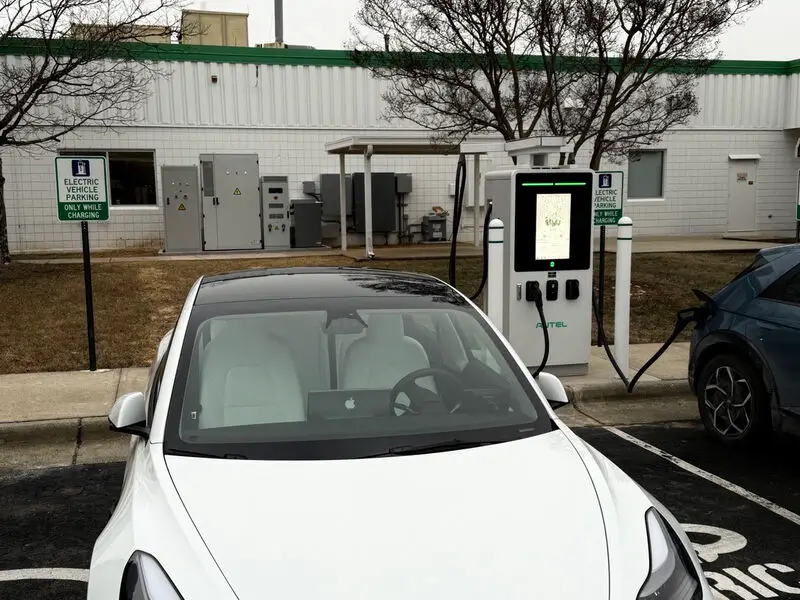
The answer depends on several factors, including the type of charger used, the vehicle’s battery size, and environmental conditions. Charging can range from a slow overnight recharge using a standard household outlet to a rapid 20–60 minute boost with powerful DC fast chargers.
This article breaks down the key factors influencing EV charging time, addresses common concerns, and highlights practical solutions—including how Autel Energy’s cutting-edge chargers can help streamline your charging experience.
Understanding EV charging levels and typical charge times
EV charging is categorized into three main levels, each offering different charging speeds and suited for different scenarios:
Level 1 Charging (120V Outlet):
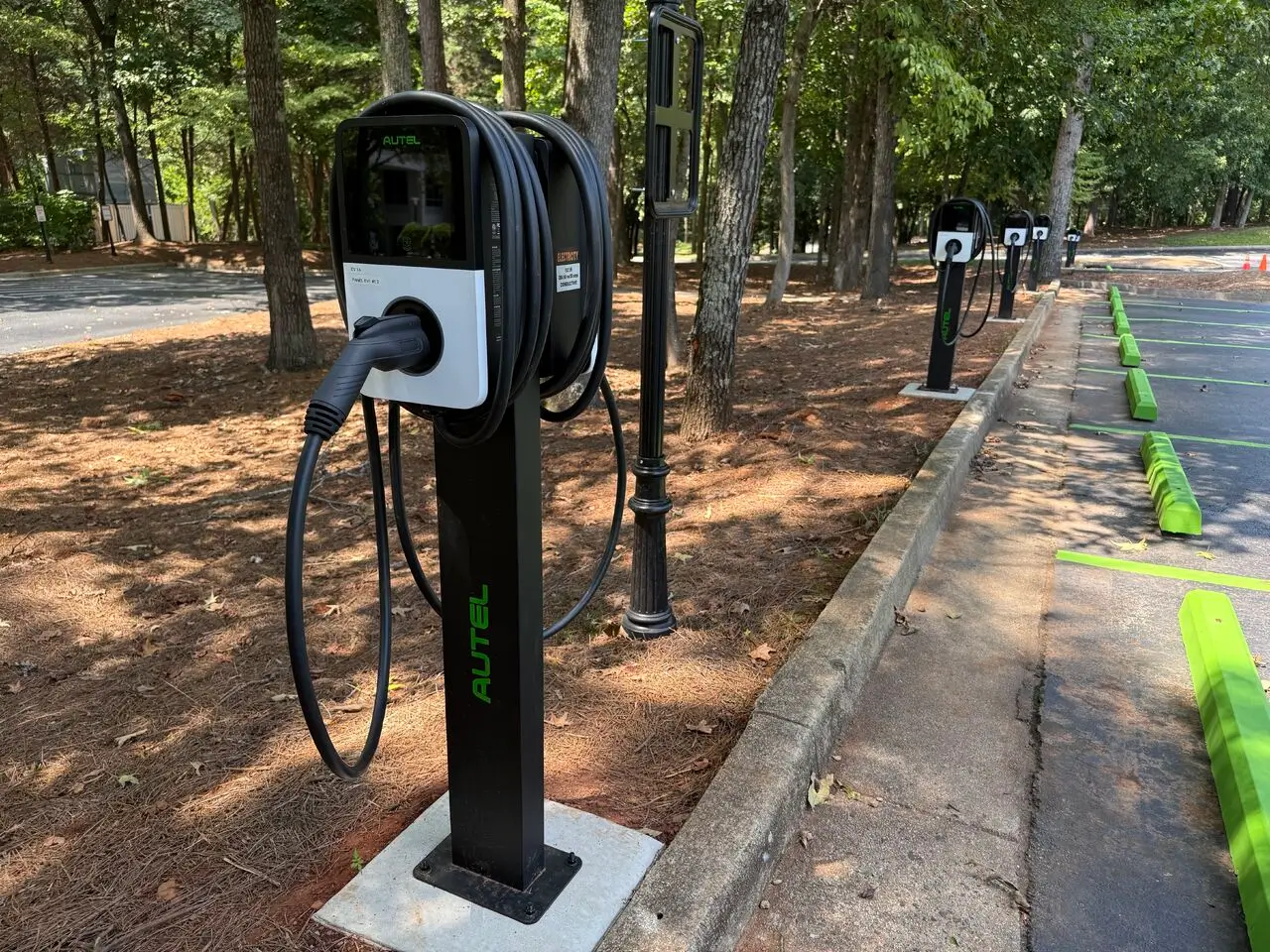
This is the slowest charging method, often using a standard household outlet. It typically adds 2–5 miles of range per hour, meaning a full charge can take 12 hours or more. Level 1 charging is mainly suitable for overnight charging or when vehicles have low daily mileage.
Level 2 Charging (240V Outlet):
Much faster than Level 1, Level 2 chargers can deliver enough power to charge most EVs to around 80% in 4 to 10 hours. These chargers are ideal for home garages, workplaces, or fleet depots where vehicles can recharge during extended downtime.
DC Fast Charging (Level 3):
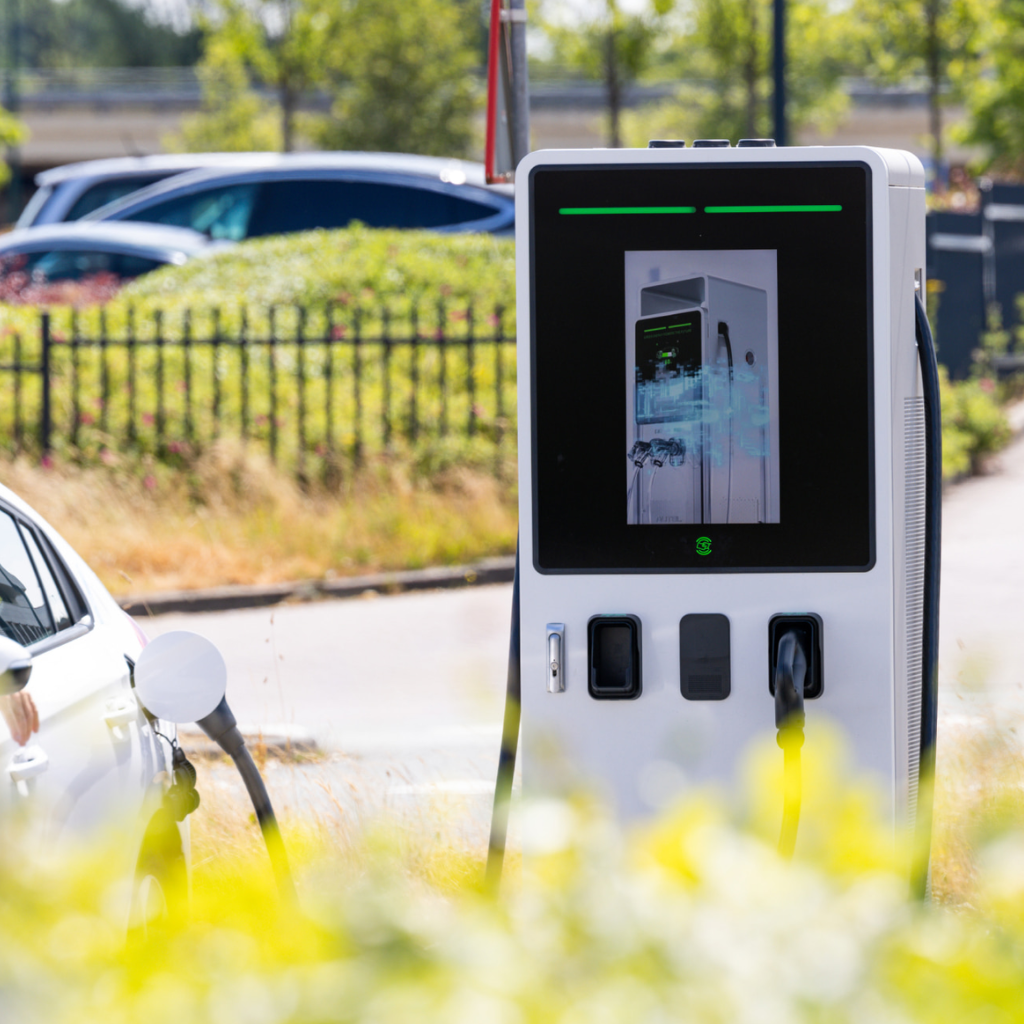
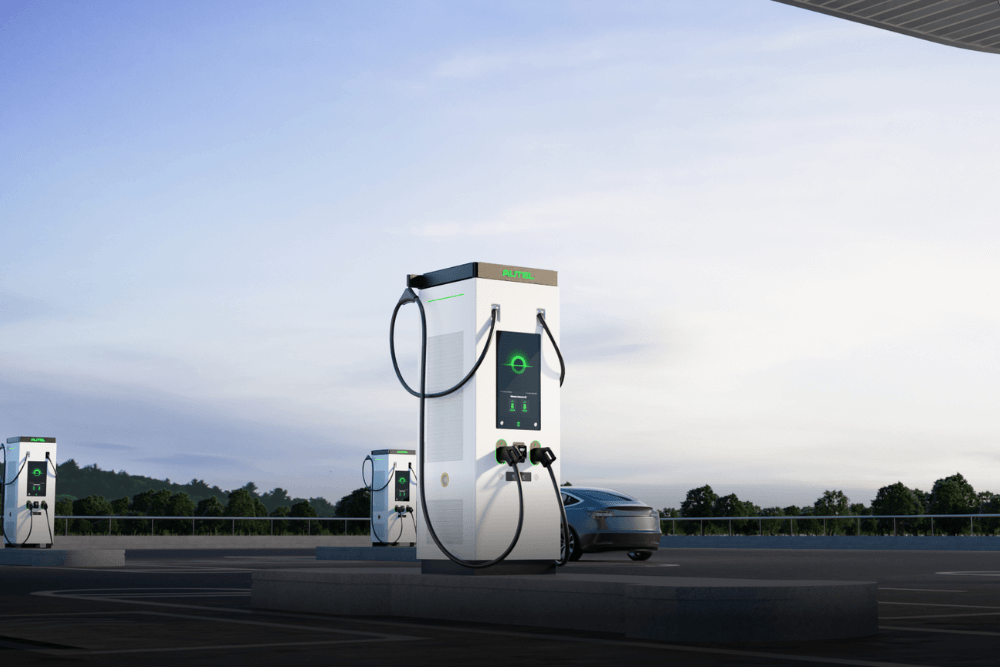
The quickest option, DC fast chargers use high-voltage direct current to rapidly replenish the battery—typically reaching 80% charge within 20 to 60 minutes. This makes them perfect for on-the-go top-ups during long trips or in busy fleet operations where minimizing downtime is critical.
Key Factors That Influence Charging Time
Several factors determine how quickly an EV charges, including:
Battery Size: Larger batteries hold more energy and require longer to charge. For example, a 60 kWh battery charges significantly faster than a 100 kWh battery at the same power level.
State of Charge (SoC): Charging speed is fastest between 10% and 80% battery levels. After 80%, charging slows considerably to protect battery health.
Vehicle Charging Capability: Different EV models support different maximum charging speeds. A vehicle’s onboard charger limits the rate at which it can accept power.
External Temperature: Cold or hot weather can slow down charging efficiency.
Common Pain Points and Challenges
EV owners and fleet operators often face the following concerns:
Uncertainty About Charging Duration: Many drivers aren’t sure how long charging will take, making trip planning difficult.
Longer Charging Times Compared to Gas Refueling: Unlike quick gas station stops, charging an EV can require waiting from minutes to hours.
Confusion About Charging Types: Misunderstandings about Level 1, Level 2, and DC fast chargers lead to unrealistic expectations.
Range Anxiety and Charger Availability: Fear of running out of charge due to insufficient charging infrastructure.
Charging Costs: Variable electricity rates and fees can make costs unpredictable.
Battery Longevity Concerns: Frequent DC fast charging can accelerate battery degradation if not managed properly.
Practical Solutions for Efficient Charging Management
Businesses and drivers can reduce charging-related frustrations by following these best practices:
Choose the Right Charger for the Situation:
Use Level 2 charging for routine, predictable charges such as overnight or during work shifts.
Reserve DC fast charging for quick top-ups during urgent trips or when schedules demand.
Plan Routes and Charging Stops:
Use EV charging apps to locate chargers with compatible connectors and available capacity, reducing wait times and range anxiety.
Charge to About 80% When Possible:
This reduces charging time significantly and helps maintain battery health.
Invest in Scalable Charging Infrastructure:
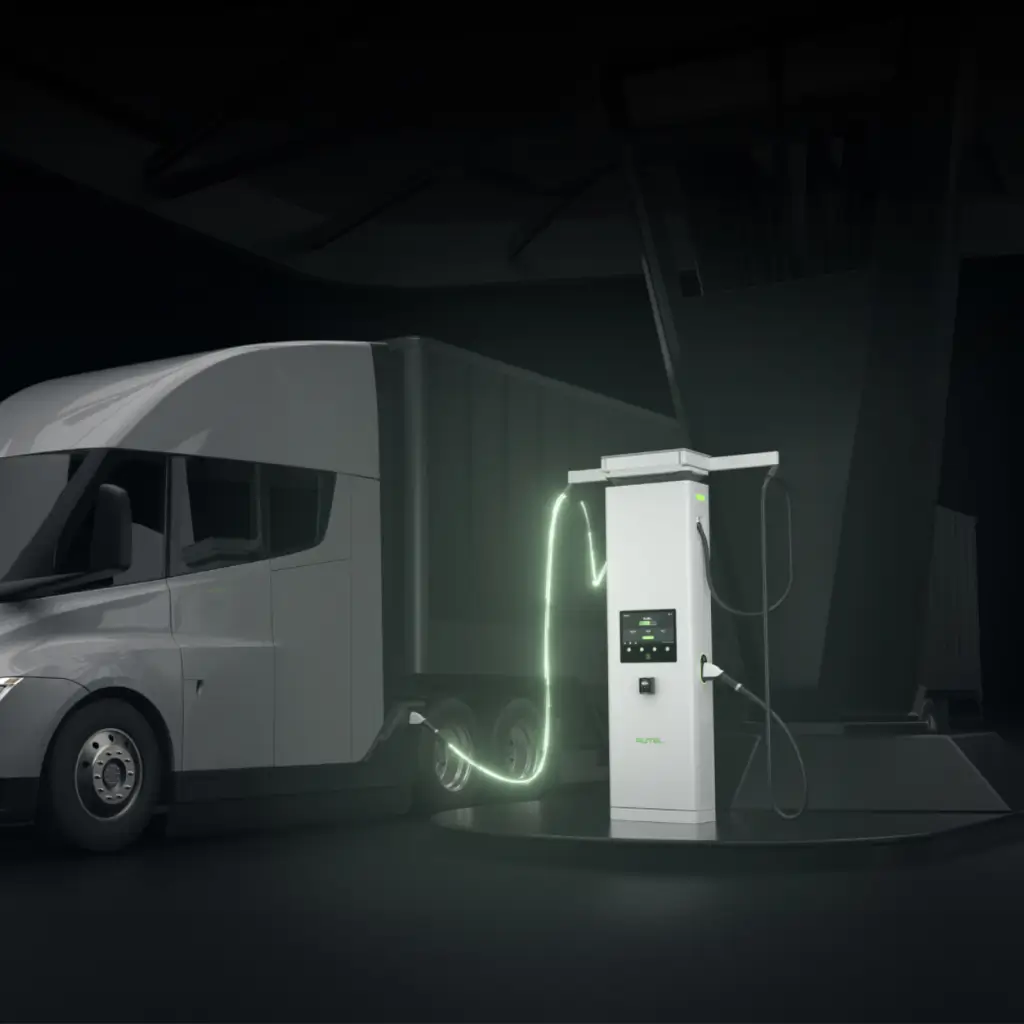
Modular DC fast chargers enable fleets to expand capacity as needs grow, optimizing uptime and operational costs.
Conclusion
Charging time should no longer be a barrier to EV adoption. Understanding how charging levels, vehicle specs, and environmental factors impact charging duration helps businesses and drivers plan smarter.
Combining practical charging strategies with advanced, scalable solutions like those from Autel Energy empowers you to keep your vehicles charged, on schedule, and ready for the road—turning charging challenges into smooth opportunities.




- CPOs
- Fleets
- Destination
- Residential
- MaxiCharger DH480
- MaxiCharger DC HiPower
- MaxiCharger DC Fast
- MaxiCharger DC Compact
- MaxiCharger AC Compact
- MaxiCharger AC Elite
- MaxiCharger AC Ultra
- MaxiCharger AC Pro
- Software
- All Products
- Event
- FAQ
- Blog
- About Autel
- Contact Us
- Sustainability
- Newsroom


