


- MaxiCharger DH480
- MaxiCharger AC Pro
- MaxiCharger DC HiPower
- MaxiCharger DC Fast
- MaxiCharger DC Compact
- MaxiCharger AC Elite


- For CPOs
- For Fleets
- For Destination
- For Residential
 MaxiCharger DH480
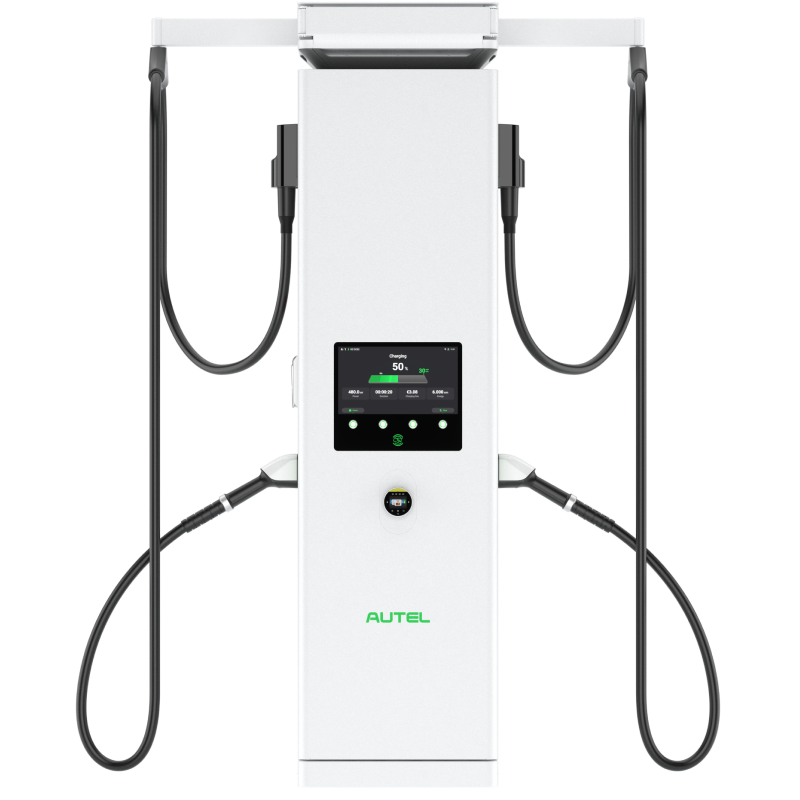 MaxiCharger DC HiPower
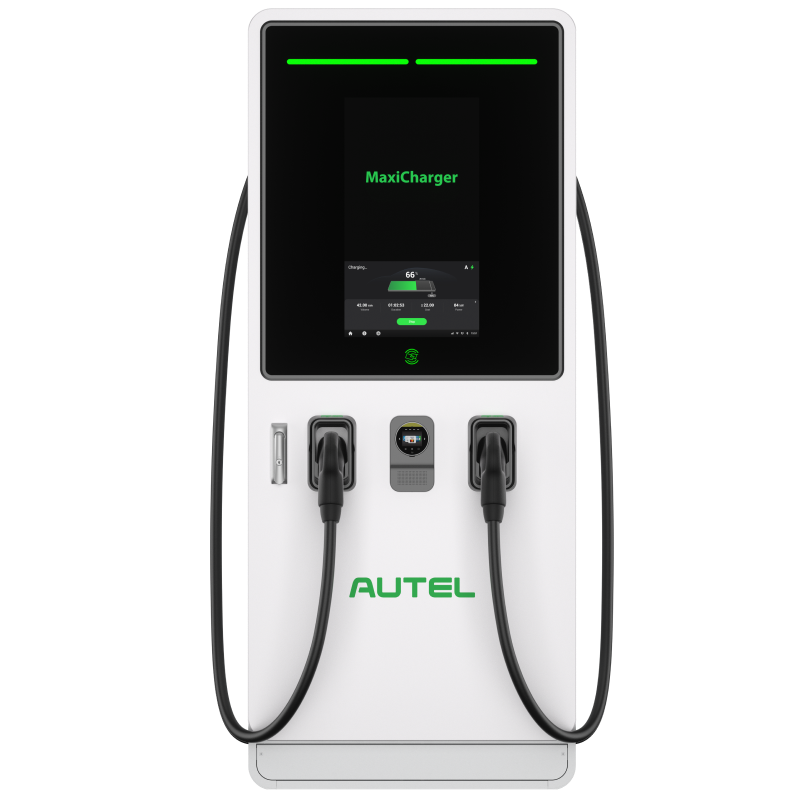 MaxiCharger DC Fast
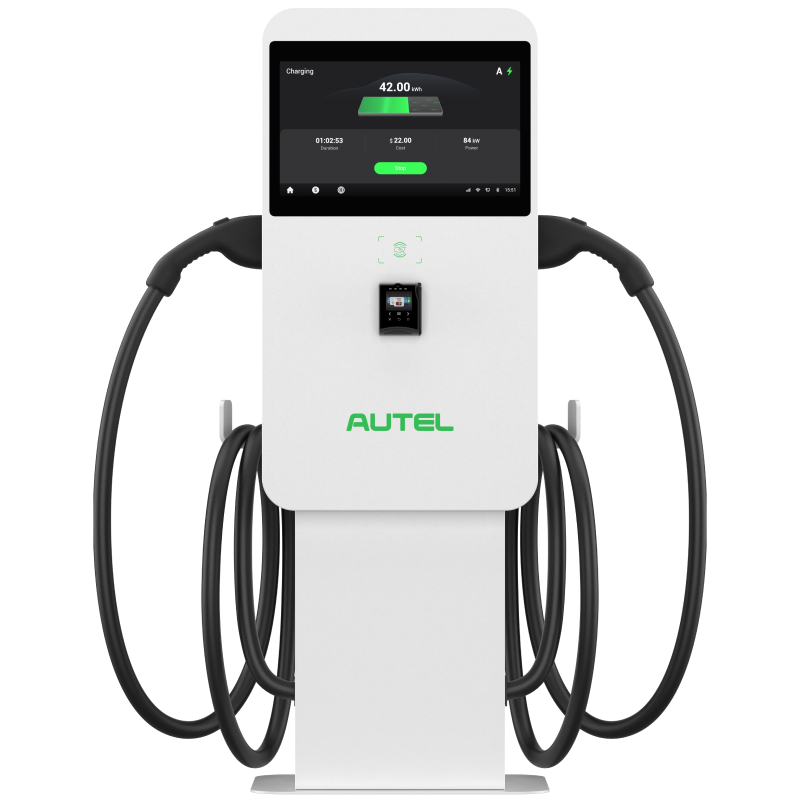 MaxiCharger DC Compact
 MaxiCharger AC Pro
 MaxiCharger AC Ultra
 MaxiCharger AC Elite
 Software
- Partner Introduction
- Become A Partner
- Event
- FAQ
- Blog
- About Autel
- Contact Us
- Sustainability
- Newsroom
- Brand Center
- Product Center
Login/Sign upGlobal3 ways to structure your EV charging station business
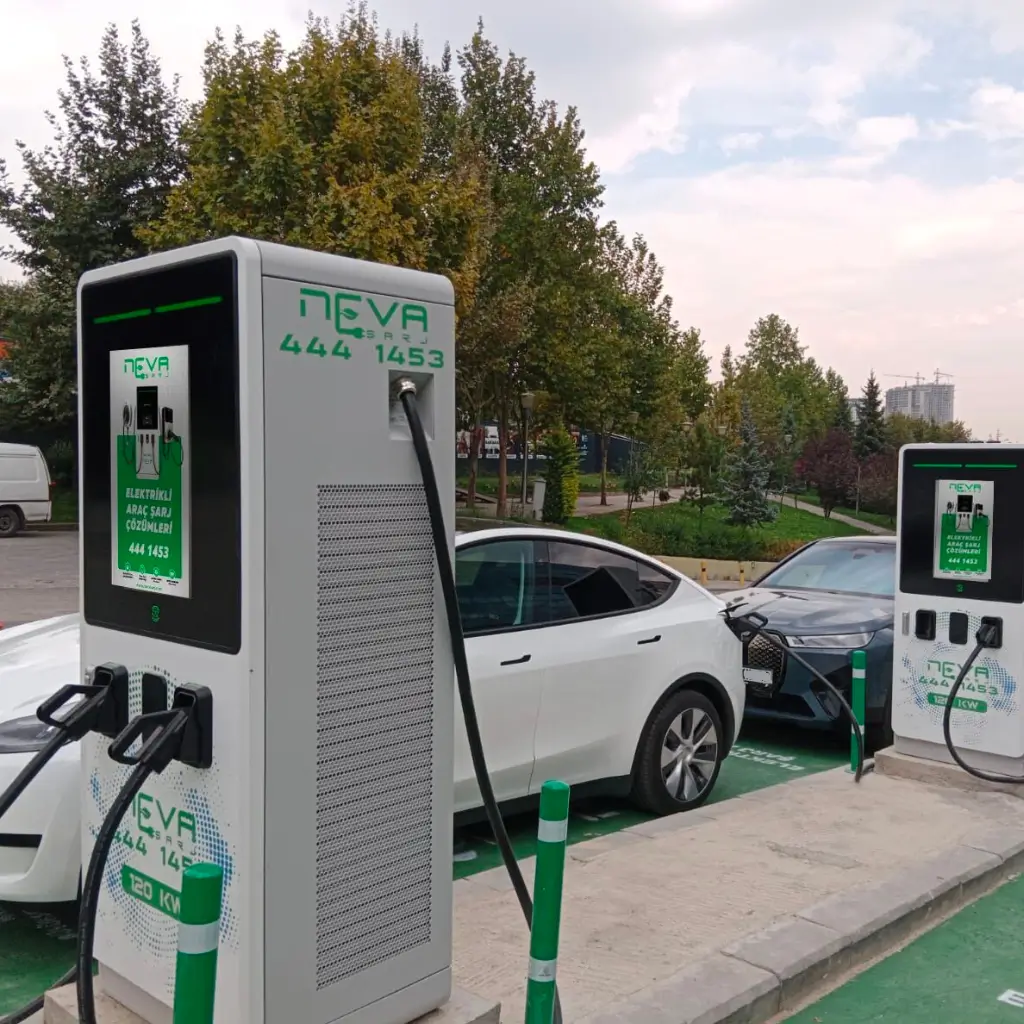
You can opt for a fully self-operated model, partner with an established brand through a franchise, or earn passive income by renting space to a third-party operator. In this article, we will explore three common ways to structure your EV charging station business—the Owner-Operator Model, the Franchise Model, and the Host Model—helping you make the best decision based on your resources, risk tolerance, and market demand.
Model 1: The Owner-Operator Model
Description of the Owner-Operator Model
In the owner-operator model, you own and operate the EV charging stations. You are responsible for everything—from purchasing the equipment and installation to managing day-to-day operations, including customer service and maintenance.
This model gives you full control, allowing you to shape the business based on your vision. However, it also comes with greater financial and operational responsibilities.
Pros of the Owner-Operator Model
- Full Control over Operations: As the owner, you can set your pricing, choose strategic locations, and determine the services offered based on your business strategy. This level of control can be an advantage in optimizing the business for profitability and customer satisfaction.
- Higher Profit Potential: Since you own the infrastructure, you can directly benefit from revenue generated by the stations. In high-demand locations, the profit margins can be substantial, especially if you can optimize the utilization of each charging station. You might also consider incorporating Autel EV chargers to enhance service offerings with advanced technology.
- Long-Term Asset Ownership: Your charging stations become long-term assets that can appreciate over time. If EV adoption continues to rise, your business could see increased value, not only from operational profits but also from the potential resale or expansion of your infrastructure.
Cons of the Owner-Operator Model
- High Initial Investment: The upfront cost of establishing an EV charging station is significant. This includes the purchase of equipment, installation, permits, and infrastructure development. For small businesses or individual entrepreneurs, this can be a substantial financial burden.
- Operational Responsibility: Running an owner-operated station requires time and effort. You must oversee everything, from marketing to maintaining the stations and ensuring they meet local regulatory standards. This can become overwhelming, especially if you lack experience in some areas like compliance or customer service.
- Higher Risk: As an independent operator, you bear the financial risk associated with the operation. This includes dealing with fluctuating customer demand, unforeseen maintenance costs, and potential competition from other charging providers.
Model 2: The Franchise Model
Description of the Franchise Model
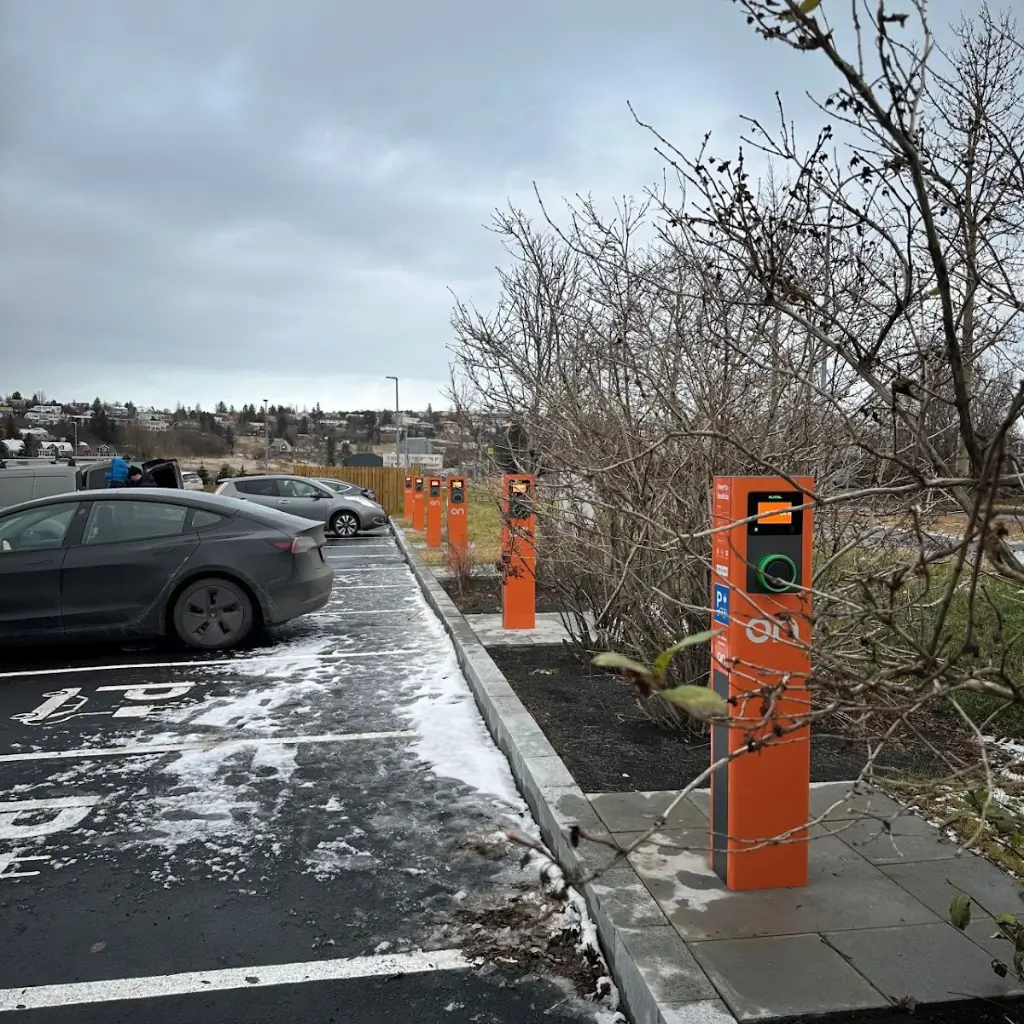
The franchise model allows you to partner with an established EV charging network. By becoming a franchisee, you can leverage the franchisor's brand recognition, operational systems, and customer base.
In this model, the franchisor provides you with the tools and support needed to operate the charging stations, while you focus on local implementation and management.
Pros of the Franchise Model
- Lower Risk and Investment: Franchise systems offer a lower-risk path to entering the EV charging market. With a proven business model and brand recognition, you’re less likely to face the risks of starting from scratch. The upfront investment is typically lower than that of the owner-operator model.
- Brand Recognition: Joining an established network allows you to tap into an existing customer base. This can significantly reduce the time and effort required to attract customers, as the brand has already built trust and credibility.
- Operational Support: Franchisors provide training, ongoing support, and standardized systems to ensure smooth operations. This includes guidance on everything from station installation to customer service, helping you avoid common mistakes and streamline your business processes.
Cons of the Franchise Model
- Limited Control over Operations: While you have the ability to manage the local station, you have limited flexibility when it comes to pricing, service offerings, and station design. You must adhere to the franchisor’s guidelines and policies.
- Ongoing Fees: Franchisees are required to pay ongoing royalties and other fees to the franchisor. These fees can impact your profit margins, especially in the early years when revenue may be inconsistent.
- Brand Dependence: Your success is closely tied to the performance of the franchisor’s brand. If the network experiences issues, such as negative publicity or operational challenges, it could impact your own business, regardless of how well you manage your stations.
Model 3: The Host Model
Description of the Host Model
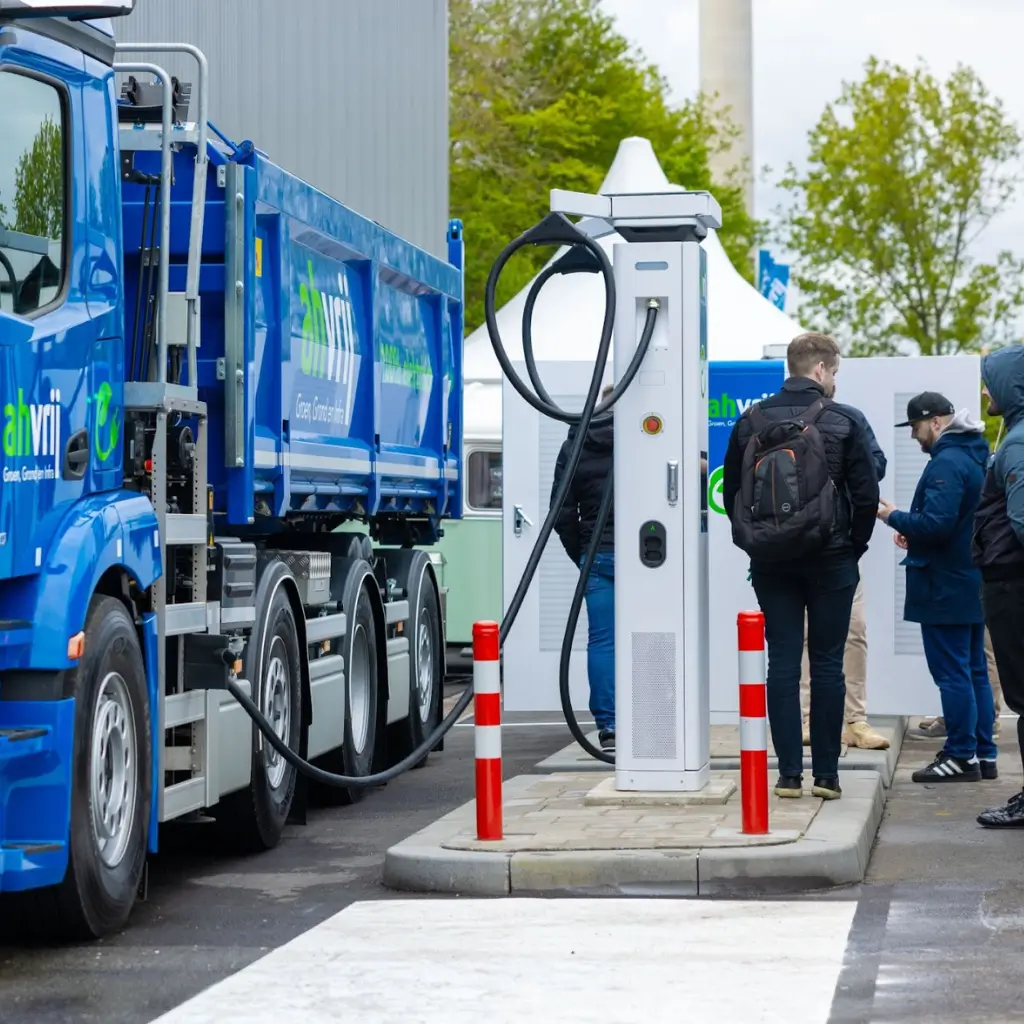
In the host model, you provide space on your property for a third-party operator to install and manage the EV charging stations. The operator handles everything from station installation to customer service, while you earn passive income through leasing the space.
This model is particularly appealing for property owners who may not have the resources or interest in operating the stations themselves but still want to benefit from the growing demand for EV charging infrastructure.
Pros of the Host Model
- Minimal Investment: This model requires very little capital investment. You only need to provide the physical space for the charging stations. The third-party operator covers all installation, maintenance, and operational costs.
- Passive Income: Once the agreement is in place, you can earn rental income without being involved in daily operations. This creates a steady, hands-off income stream, making it an ideal option for property owners looking to monetize unused space.
- Low Risk: Since you are not responsible for the station’s operations, maintenance, or customer service, your financial exposure is minimized. The third-party operator assumes the operational risks, which can be a major advantage for property owners looking for minimal involvement.
Cons of the Host Model
- No Control over Operations: You have no say in how the stations are operated, including pricing, maintenance, and customer experience. Your income is dependent on the operator’s ability to run the station efficiently.
- Dependency on the Operator: Your income relies on the performance of the third-party operator. If they fail to maintain the station or attract customers, it could impact your rental income.
- Lower Potential Returns: While you are not responsible for operational costs, your return on investment may be lower compared to owning and operating the stations yourself. The rental income you earn might not be as high as the profit you could make from owning the infrastructure.
Key Factors to Consider when Choosing Your EV Charging Station Model
When deciding which model to pursue, it's crucial to assess several key factors that will determine the success of your venture.
Financial Capacity and Risk
- Do you have the financial resources to support a high-risk, high-reward operation, or would you prefer a model with lower initial investment and reduced risk?
Level of Involvement
- Are you looking for full control over the business and day-to-day operations, or would you prefer a more passive role with minimal involvement in management?
Market Demand and Location
- Assess the demand for EV charging stations in your area. Is the location easily accessible and convenient for drivers? Will there be enough traffic to support the stations? Understanding local EV adoption rates and infrastructure plans is key to making an informed decision.
Conclusion: Which Model Works Best for You?
Choosing the right model for your EV charging station business ultimately depends on your available resources, desired level of involvement, and long-term business goals. The owner-operator model offers the most control and profit potential but requires significant capital and effort. The franchise model provides support and reduces risks but limits control and comes with ongoing fees. The host model offers passive income with minimal risk but also comes with lower returns and no operational control.
By evaluating your financial capacity, risk tolerance, and market potential, you can select the business structure that aligns with your objectives and positions you for success in the growing EV charging industry.




- CPOs
- Fleets
- Destination
- Residential
- MaxiCharger DH480
- MaxiCharger DC HiPower
- MaxiCharger DC Fast
- MaxiCharger DC Compact
- MaxiCharger AC Compact
- MaxiCharger AC Elite
- MaxiCharger AC Ultra
- MaxiCharger AC Pro
- Software
- All Products
- Event
- FAQ
- Blog
- About Autel
- Contact Us
- Sustainability
- Newsroom


