


- MaxiCharger DH480
- MaxiCharger AC Pro
- MaxiCharger DC HiPower
- MaxiCharger DC Fast
- MaxiCharger DC Compact
- MaxiCharger AC Elite


- For CPOs
- For Fleets
- For Destination
- For Residential
 MaxiCharger DH480
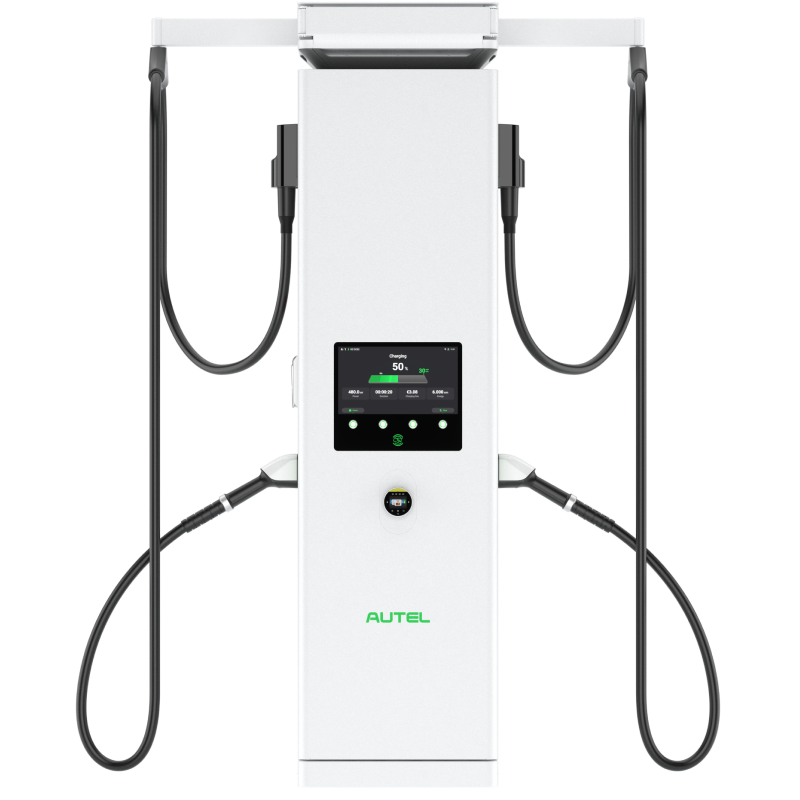 MaxiCharger DC HiPower
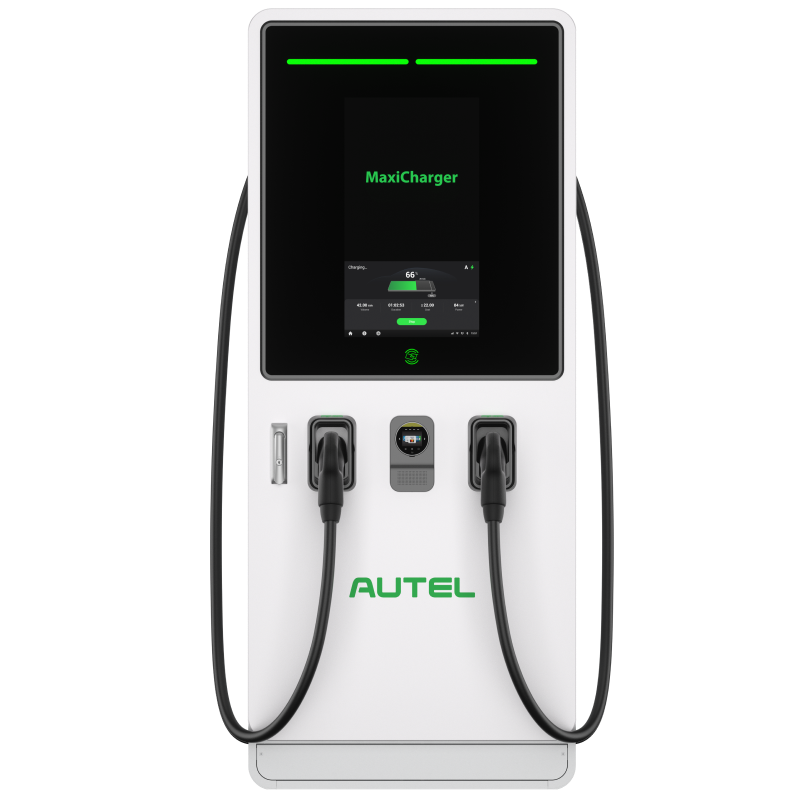 MaxiCharger DC Fast
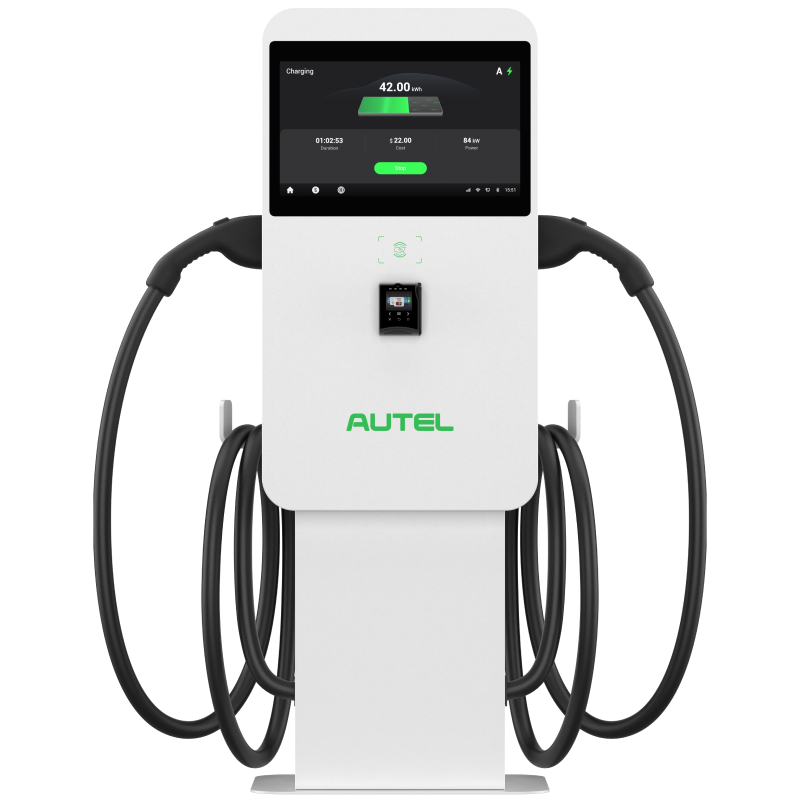 MaxiCharger DC Compact
 MaxiCharger AC Pro
 MaxiCharger AC Ultra
 MaxiCharger AC Elite
 Software
- Partner Introduction
- Become A Partner
- Event
- FAQ
- Blog
- About Autel
- Contact Us
- Sustainability
- Newsroom
- Brand Center
- Product Center
Login/Sign upGlobalWhat are some ideas for an EV charging station?
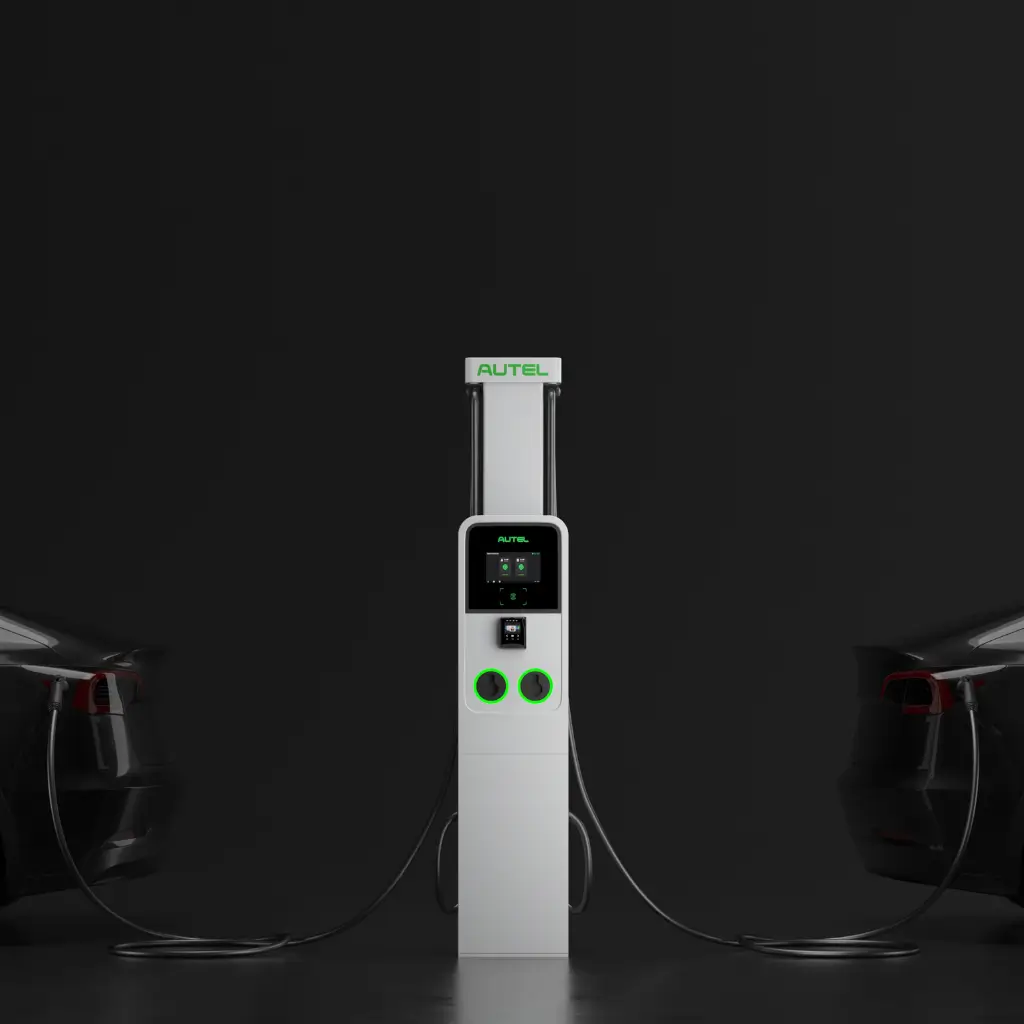
Ideal Locations for EV Charging Stations
Shopping Malls and Retail Centers
Placing EV charging stations in shopping malls or retail centers can attract high traffic. These locations allow drivers to charge their vehicles while shopping, dining, or running errands, providing a convenient option for customers and businesses.
Office Buildings and Commercial Districts
Placing EV charging stations in office buildings or business parks is ideal for employees who drive EVs. Not only does it provide convenience during work hours, but employers can also use this as an additional advantage to attract environmentally conscious employees.
Parking Lots and Public Garages
Public parking lots, especially those near transportation hubs or busy city centers, can be ideal locations for charging stations. These locations cater to both locals and travelers and are frequently used by those who need reliable charging during the day or at night.
Along Main Roads and Rest Stops
For long-distance EV travelers, highway rest areas or travel plazas are essential. Charging stations along main roads can help alleviate range anxiety and make cross-country or interstate travel more convenient for EV owners.
Charging Speed
Level 1 Chargers
Level 1 chargers are the slowest charging EV chargers and typically use a standard 120-volt outlet. While they have the lowest installation costs, they are more suitable for home use than public charging stations due to their longer charging times.
Medium-Speed Charging (Level 2)
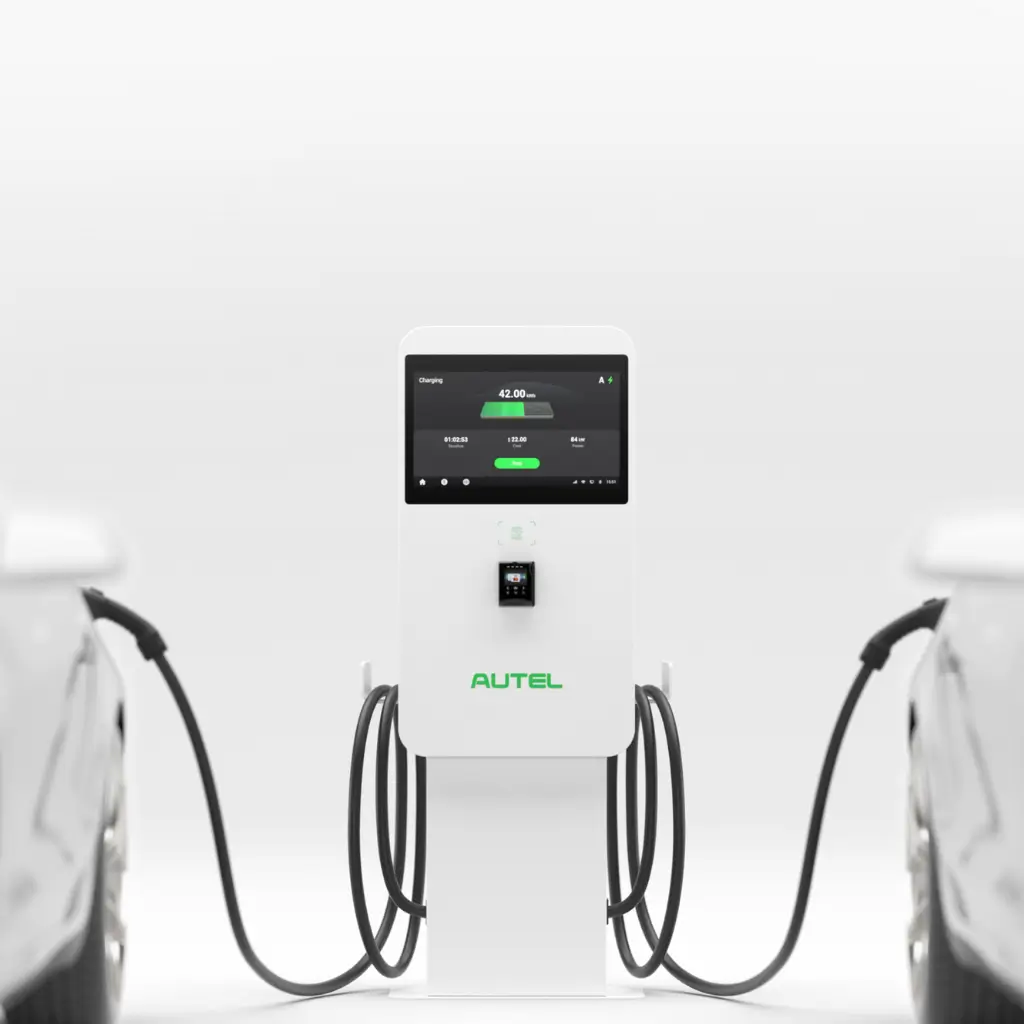
Level 2 chargers, generally used in commercial and public places, provide faster charging speeds and are usually suitable for daily use and short-term parking.
Fast Charging (DC Fast Charging)
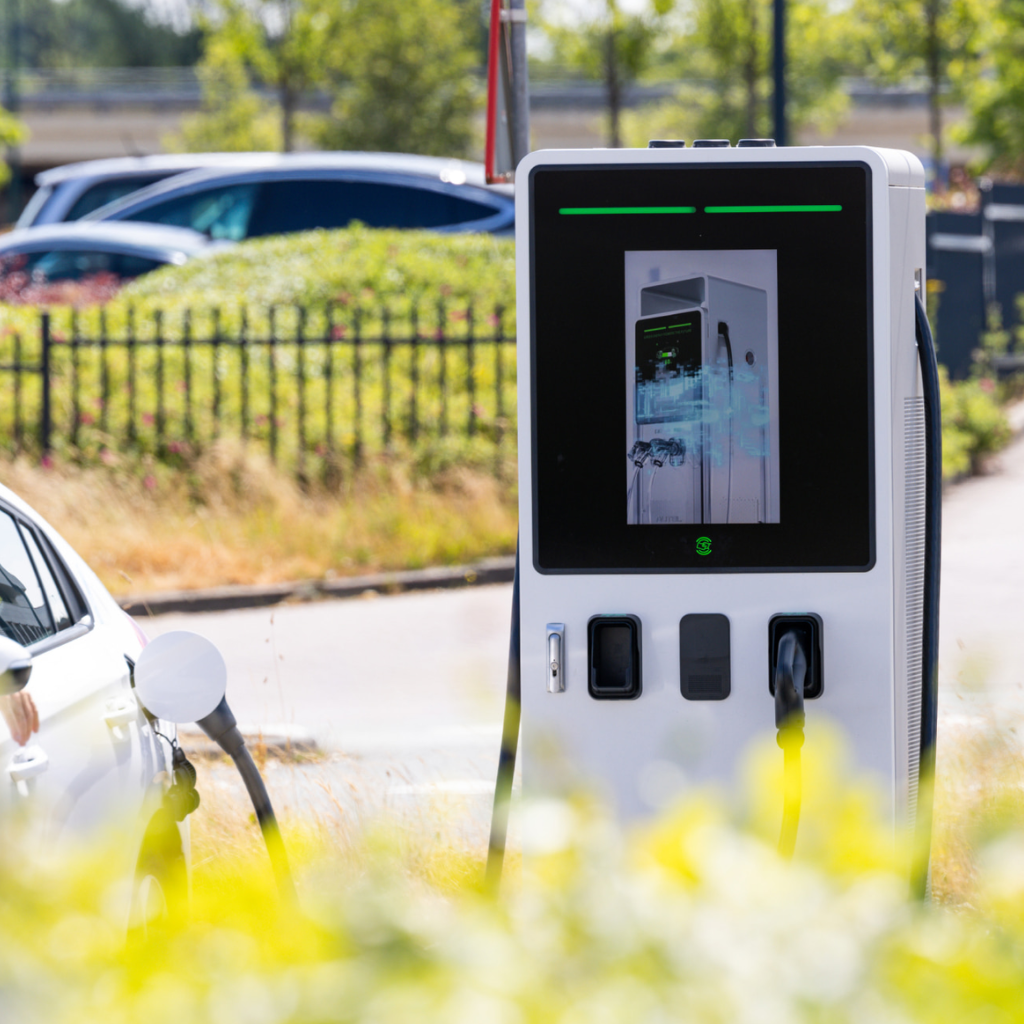
DC Fast Charging is the fastest charging method, suitable for long-distance travel or when a quick charge is urgently needed. Many charging stations along highways are equipped with these chargers.
Key Design and Features of Charging Stations
Physical Space and Safety Considerations
Make sure the station is easy to navigate and accessible to all drivers, including those with disabilities. Adequate space for vehicle maneuvering, well-lit areas, and clear signage that is easy to read are key to a positive experience. Additionally, safety features such as emergency stop buttons, proper ventilation, and fire protection systems should be included.
User-friendly Interface and Payment Options
An intuitive user interface (UI) can significantly enhance the experience. Consider integrating a mobile app or touch screen to allow users to easily locate, monitor, and pay for charging. Providing multiple payment options such as credit cards, mobile payments, and membership cards can cater to a wider audience.
FAQ
1. What Does the Future Hold for EV Charging Stations?
The future of EV charging stations looks promising as the demand for electric vehicles (EVs) continues to rise globally. Governments are pushing for cleaner energy and stricter emission regulations, which will drive growth in EV infrastructure.
2. How to Make Money from EV Charging Stations?
You can make money from EV charging stations through several revenue streams, including charging fees, subscription models, advertising, and partnerships. Charging fees can be set on a per-kWh or per-minute basis. Additionally, businesses can leverage advertising space on the charging station units or through digital screens. Partnerships with companies like Autel Energy can also allow for bundled services such as network access and fleet charging solutions, further diversifying income.
3. How to Design an EV Charging Station?
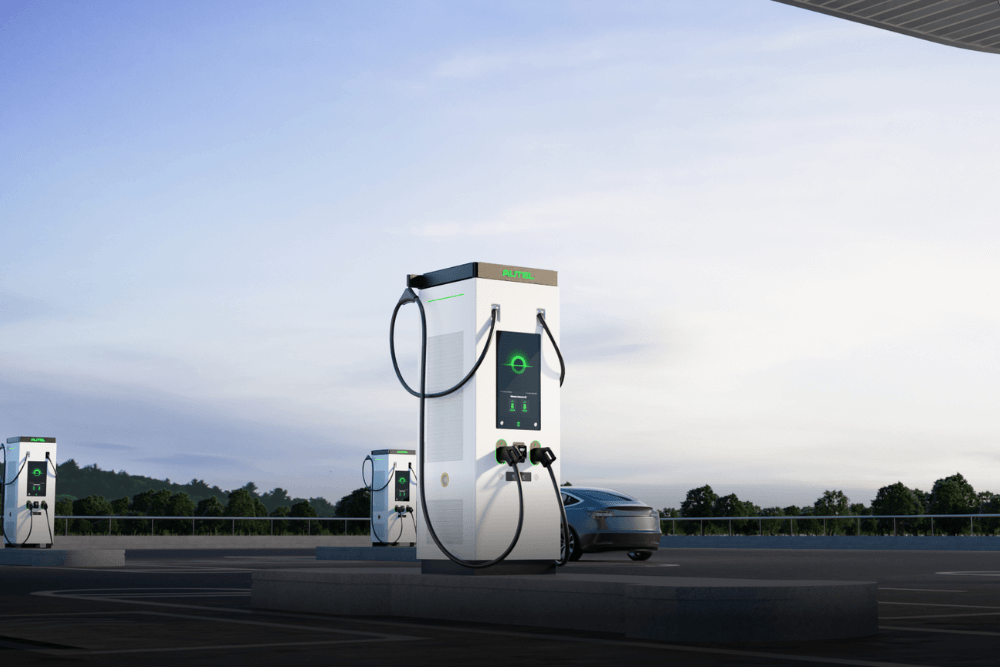
Designing an EV charging station requires careful planning around location, electrical infrastructure, and user experience. The station should be placed in high-traffic areas, such as near shopping malls, office buildings, and highways, to maximize usage. It’s essential to ensure reliable power supply and fast-charging capabilities.
4. How to Start a Charging Station Business?
Starting a charging station business involves several steps: identifying a strategic location, securing financing, obtaining permits, and installing the necessary infrastructure. Partnering with an established provider like Autel Energy can help streamline the process, providing access to advanced charging technology and network solutions. It’s also important to assess the market demand for EV charging in your area and offer competitive pricing. Regular maintenance and customer support will also be key to ensuring long-term success.
5. Are EV Chargers a Good Investment?
EV chargers are becoming a highly attractive investment due to the rapid growth of the electric vehicle market. The expansion of EV charging networks is a critical component of the broader energy transition, supported by government incentives and subsidies. As the number of EVs increases, the need for charging infrastructure will only grow.




- CPOs
- Fleets
- Destination
- Residential
- MaxiCharger DH480
- MaxiCharger DC HiPower
- MaxiCharger DC Fast
- MaxiCharger DC Compact
- MaxiCharger AC Compact
- MaxiCharger AC Elite
- MaxiCharger AC Ultra
- MaxiCharger AC Pro
- Software
- All Products
- Event
- FAQ
- Blog
- About Autel
- Contact Us
- Sustainability
- Newsroom


