


- MaxiCharger DH480
- MaxiCharger AC Pro
- MaxiCharger DC HiPower
- MaxiCharger DC Fast
- MaxiCharger DC Compact
- MaxiCharger AC Elite


- For CPOs
- For Fleets
- For Destination
- For Residential
 MaxiCharger DH480
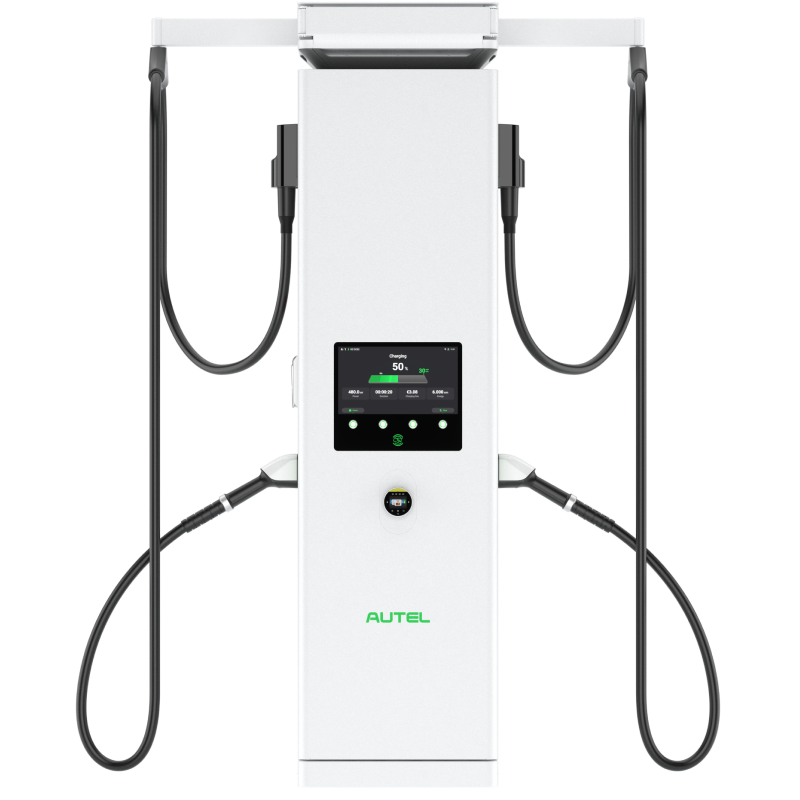 MaxiCharger DC HiPower
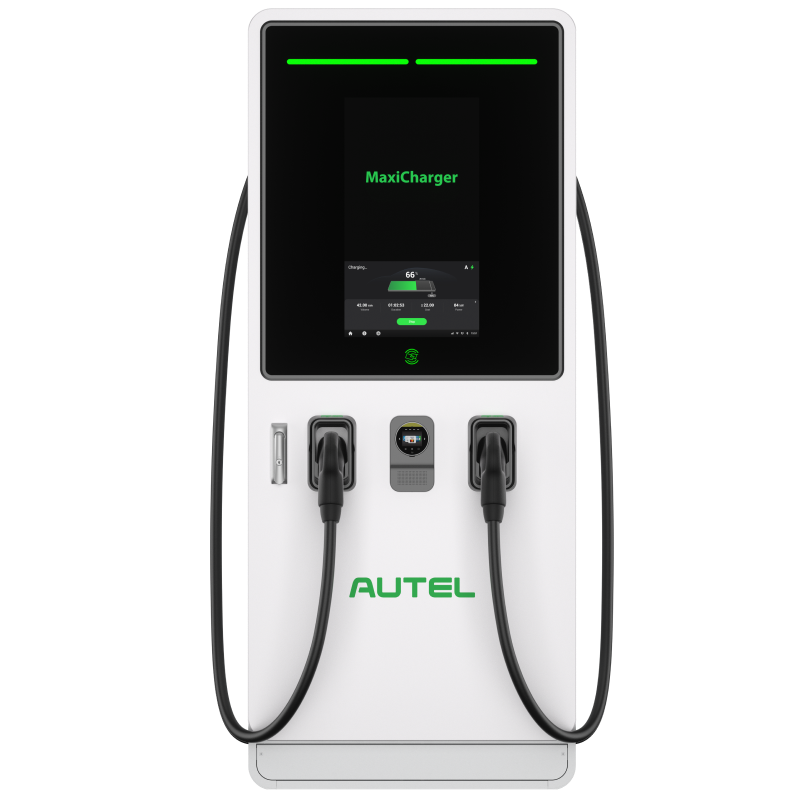 MaxiCharger DC Fast
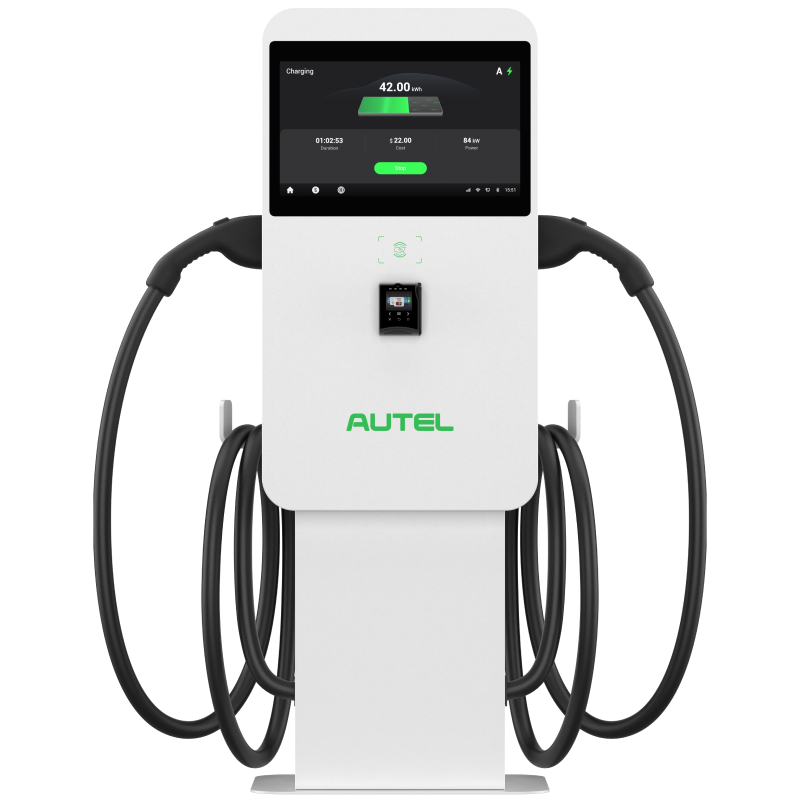 MaxiCharger DC Compact
 MaxiCharger AC Pro
 MaxiCharger AC Ultra
 MaxiCharger AC Elite
 Software
- Partner Introduction
- Become A Partner
- Event
- FAQ
- Blog
- About Autel
- Contact Us
- Sustainability
- Newsroom
- Brand Center
- Product Center
Login/Sign upGlobalWhat type of charging station is needed for all-electric cars?
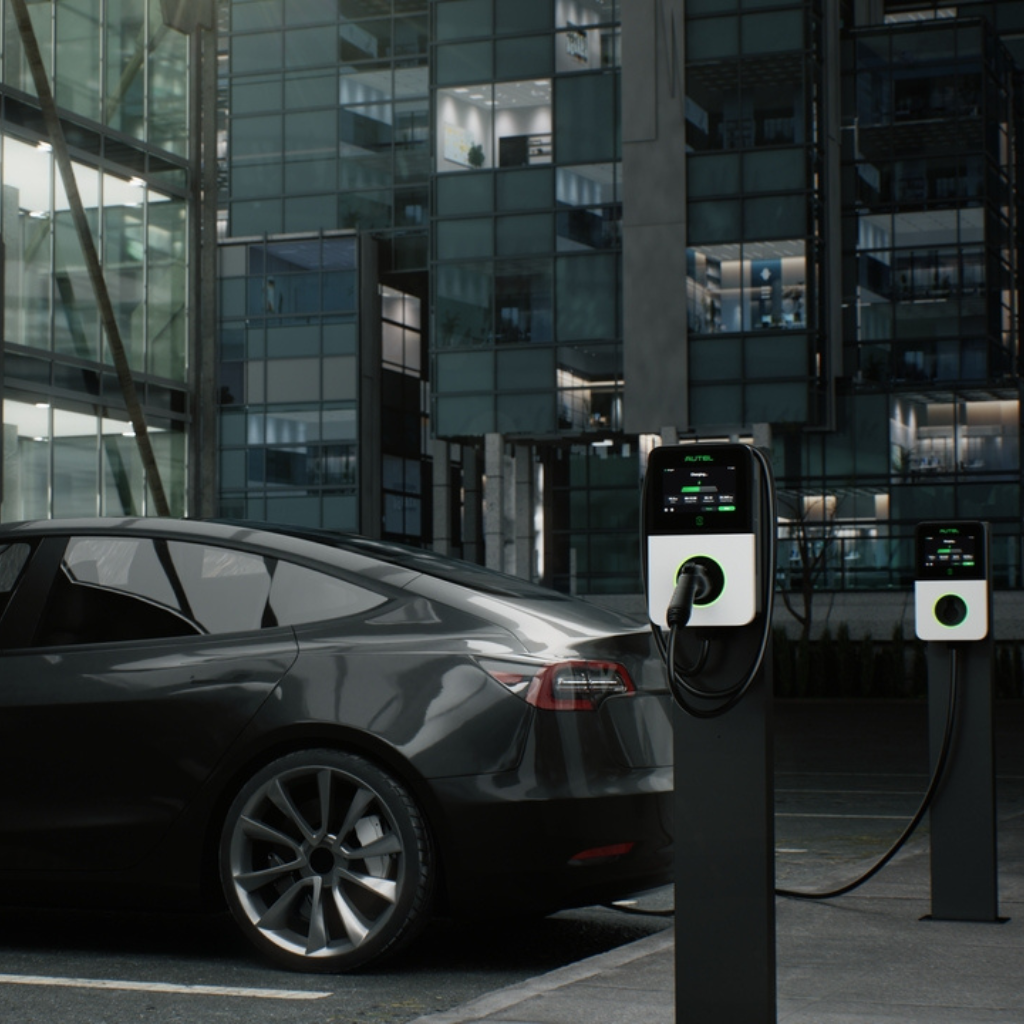
The charging station required for all-electric vehicles depends on the model, battery capacity, and usage scenario. Level 2 can be used for home or office use, while DC fast charging is recommended for commercial and high-frequency use. This article comprehensively analyzes the types of charging stations that match different models and the key points for selection.
Types of All-Electric Vehicles
Electric Passenger Cars
Electric passenger cars are ideal for daily commuting and family travel. Popular models like the Tesla Model 3 or Nissan Leaf offer a balance of range, performance, and affordability for most consumers.
Electric Commercial Vehicles
Electric vans and light trucks are increasingly used for delivery and logistics fleets. They help businesses reduce fuel costs, cut emissions, and qualify for sustainability incentives.
Luxury / Performance EVs
Luxury EVs combine speed, design, and advanced tech. These vehicles appeal to premium buyers and reflect a high-end, eco-conscious lifestyle.
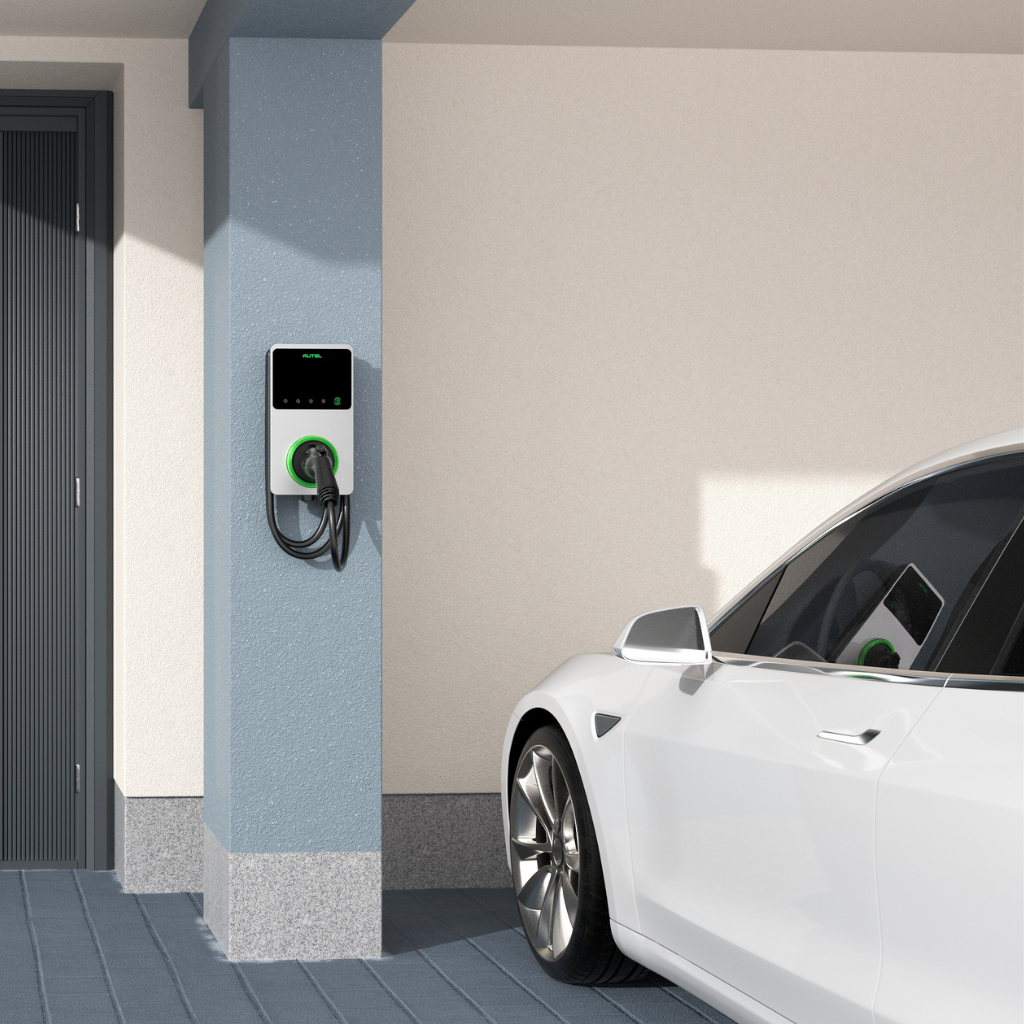
Understanding the Different Types of EV Charging Stations
What Are the Main Levels of EV Chargers? (Level 1, Level 2, DC Fast Charging)
EV charging infrastructure is divided into three primary levels based on charging speed and power delivery. Level 1 uses a standard 120V household outlet and adds about 2–5 miles of range per hour, making it best for overnight home use or backup options. Level 2 operates on a 240V connection and delivers 10–60 miles of range per hour, suitable for both residential and light commercial settings. DC Fast Charging (also known as Level 3) utilizes 480V+ direct current and can charge an EV to 80% in 20–40 minutes, ideal for highway corridors, fleet depots, and fast-paced commercial environments. For businesses looking to scale with speed, fast EV charging solutions can significantly reduce downtime and improve operational efficiency.
Power Output, Voltage, and Charging Speed Comparison
Charging station levels differ significantly in power output and speed. Level 1 chargers typically provide 1.2 to 1.8 kW. Level 2 systems range from 7 kW for residential units up to 19 kW for commercial-grade solutions. DC Fast Chargers span from 50 kW to 350 kW, allowing high-speed charging that supports large battery packs. As the power output increases, the complexity of electrical infrastructure, permitting, and equipment cooling also rises.
Where Each Type Is Typically Used: Home vs Public Charging
Level 1 chargers are primarily used in single-family homes with minimal driving needs. Level 2 is common in both homes and commercial settings such as office buildings, retail centers, and hotels. DC Fast Charging is most prevalent in public locations—like highway rest stops, urban charging hubs, and fleet operations—where short dwell times require rapid energy delivery. Businesses often use a combination of Level 2 and DCFC to optimize availability, cost, and charging flexibility.
AC Charging vs DC Charging
AC charging is used in both Level 1 and Level 2 chargers and is the most common type for residential and workplace settings. EVs convert AC into DC internally via an onboard charger. DC (Direct Current) charging skips this conversion, delivering power directly to the battery, which enables much faster charging. AC charging is typically more affordable to install and maintain, while DC fast charging requires specialized infrastructure and is suited for high-throughput environments.
Related Reading:Are EV Chargers Universal?
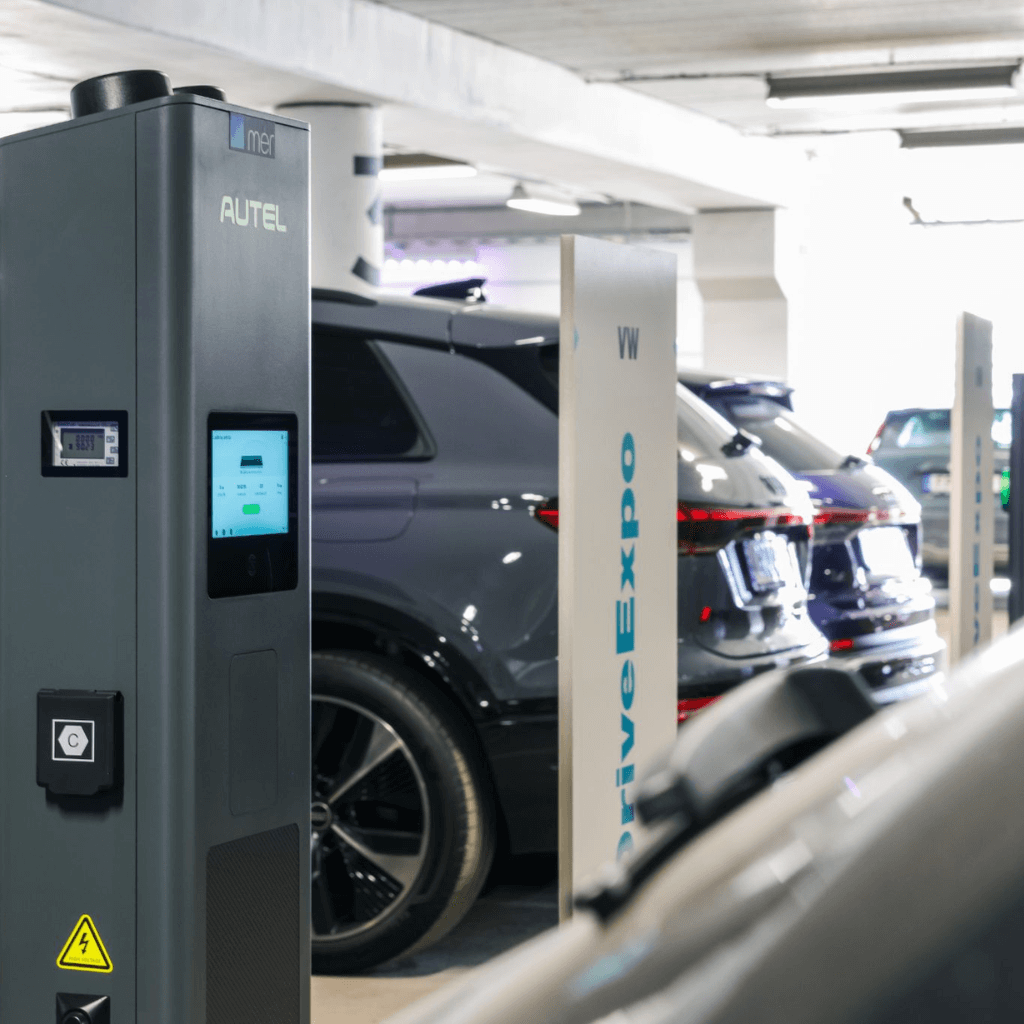
Selecting the Right Charging Station for Your EV Fleet
Are All Charging Stations Compatible with All-Electric Vehicles?
Not all EVs can use every charger. Compatibility depends on the vehicle’s onboard charger and the connector type. Businesses should verify compatibility when planning installations.
EV Plug Types Explained: CCS, CHAdeMO, Tesla, and Others
Most U.S. EVs use CCS plugs. CHAdeMO is still mainstream in Asia Pacific, especially in Japan. Tesla has a proprietary plug but now supports CCS with an adapter.
How to Check Your EV’s Charging Port Requirements
Review the vehicle’s specs or owner’s manual. Many EV manufacturers also list compatible chargers on their websites or apps, making it easy to find the right station.
Charging Time and Power Requirements for EV Chargers
How Long It Takes to Charge at Each Level
Level 1 can take 24+ hours, Level 2 around 4–8 hours, and DC fast charging 20–60 minutes. Fleet vehicles benefit from faster chargers to stay on schedule.
Electrical Infrastructure Needed for Installation
Level 2 and DC chargers require a 240V line and may need panel upgrades. Commercial installs often require permitting and professional electrical assessments.
Safety, Efficiency, and Load Considerations
Commercial chargers should include smart load balancing to avoid grid strain. Safety features like GFCI protection and certified hardware are essential.
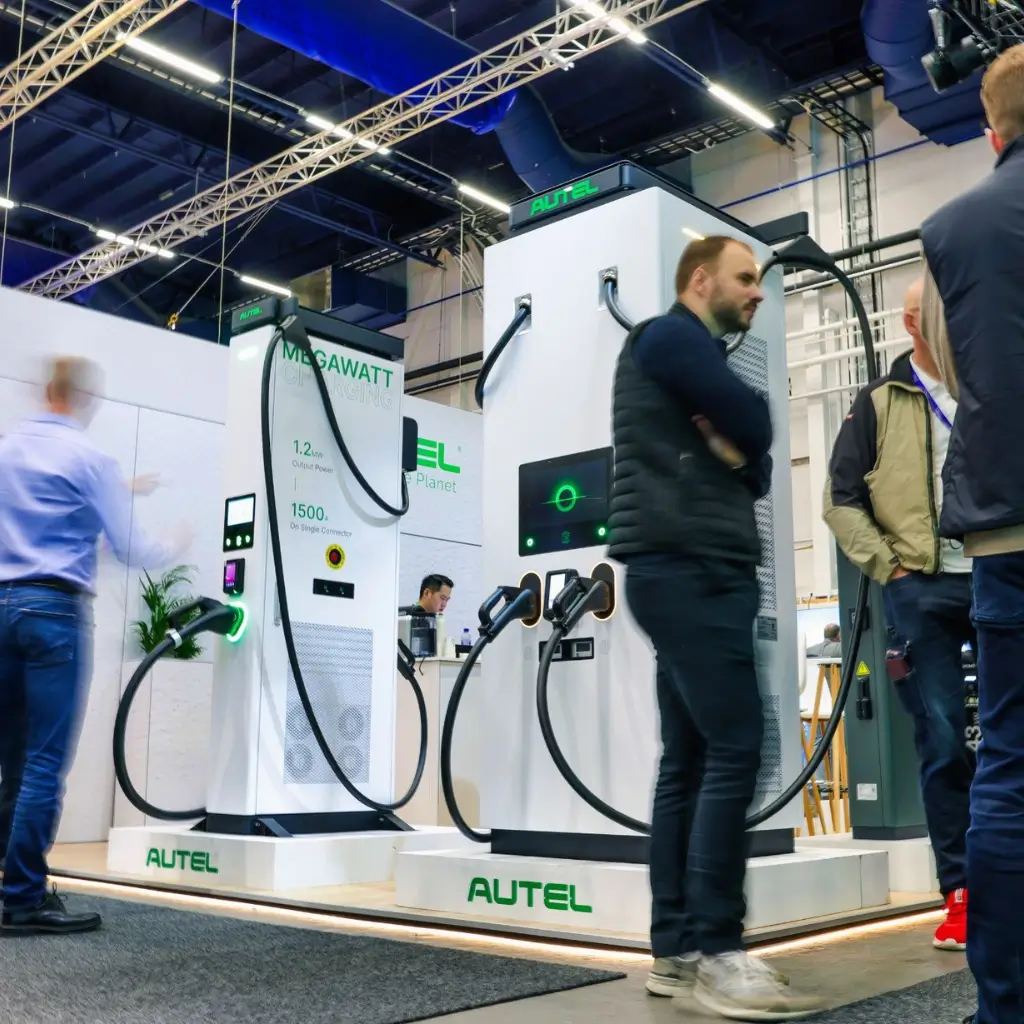
EV Charging for Fleets and Commercial Use
Charging Solutions for Business and Fleet Operations
Level 2 chargers are common for overnight fleet use. DC fast chargers support high-usage scenarios like ride-share hubs or delivery services with tight schedules.
Key Factors when Expanding Charging Infrastructure
Scalability, location accessibility, grid capacity, and total cost of ownership are crucial. Enterprise solutions should be modular and future-ready.
Smart Charging and Networked Solutions
Smart chargers allow remote management, usage tracking, and load balancing. They optimize costs and ensure efficient fleet energy distribution.
Purchasing and Installing EV Charging Stations
Recommended EV Chargers for Businesses
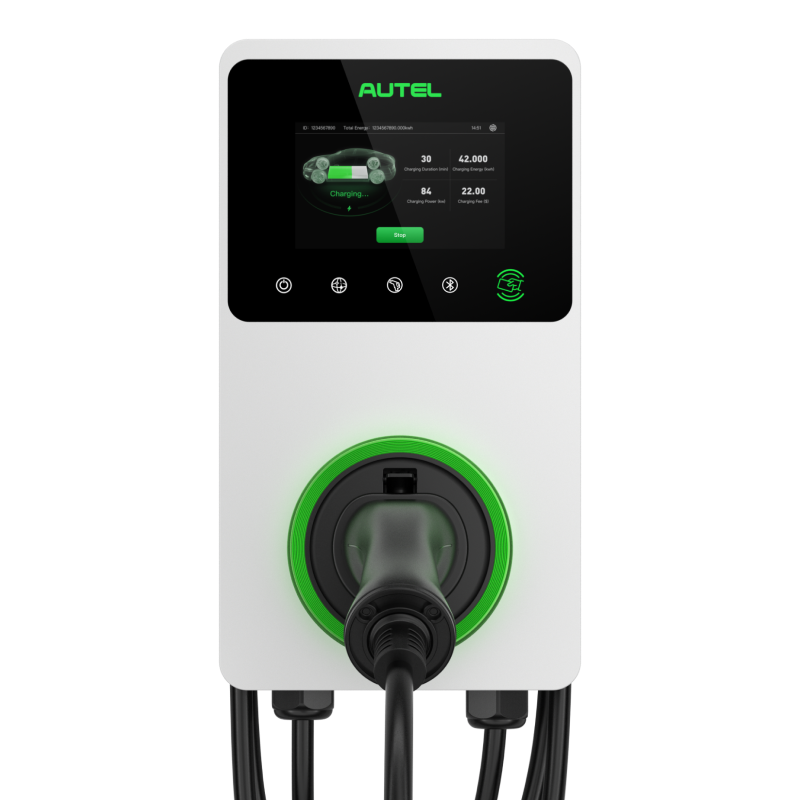
Autel offers a range of smart charging solutions tailored for homes, fleets, and commercial settings. For instance, the MaxiCharger AC Elite Business 50A delivers up to 12kW of power and features a touchscreen interface—ideal for multi-user environments seeking efficiency and ease of use (View Product). All Autel chargers meet UL certification and ENERGY STAR standards, ensuring top-tier safety and energy performance.
Installation Costs for Homeowners and Businesses
Home Installations: According to Autel’s guide, Level 2 home charger equipment typically costs between $500 and $2,000, with installation costs varying based on electrical upgrades and site conditions.
Commercial Installations: Business-level charger installations depend on the charger type and project scale. Level 2 commercial units range from $600 to $6,000, while DC fast chargers can cost significantly more due to higher power output and installation complexity.
Incentives and Rebates for EV Charging Stations
Autel provides resources to help customers navigate available local and federal incentives. In the U.S., residential charger installations may qualify for up to $1,000 in tax credits, and commercial sites up to $30,000 . Users can search for region-specific programs directly through Autel’s platform (Explore Local Incentives).




- CPOs
- Fleets
- Destination
- Residential
- MaxiCharger DH480
- MaxiCharger DC HiPower
- MaxiCharger DC Fast
- MaxiCharger DC Compact
- MaxiCharger AC Compact
- MaxiCharger AC Elite
- MaxiCharger AC Ultra
- MaxiCharger AC Pro
- Software
- All Products
- Event
- FAQ
- Blog
- About Autel
- Contact Us
- Sustainability
- Newsroom


