MaxiCharger DH480
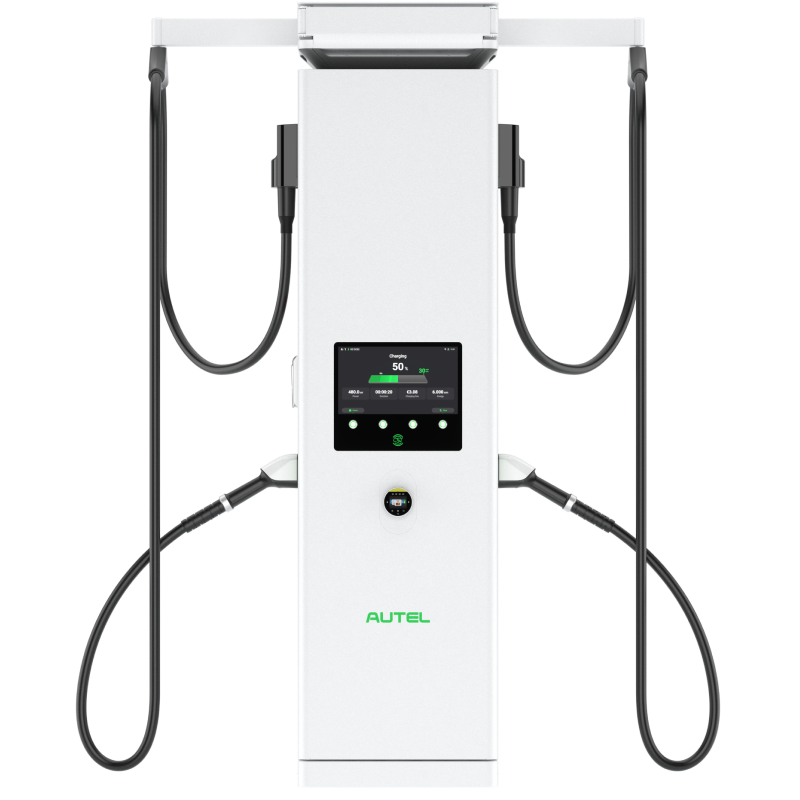
MaxiCharger DC HiPower
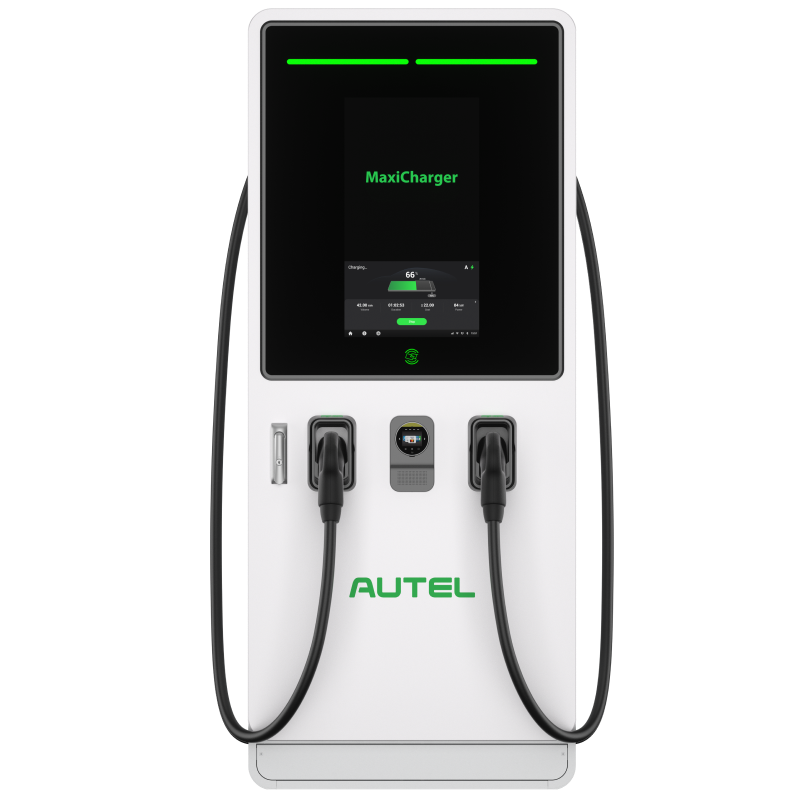
MaxiCharger DC Fast
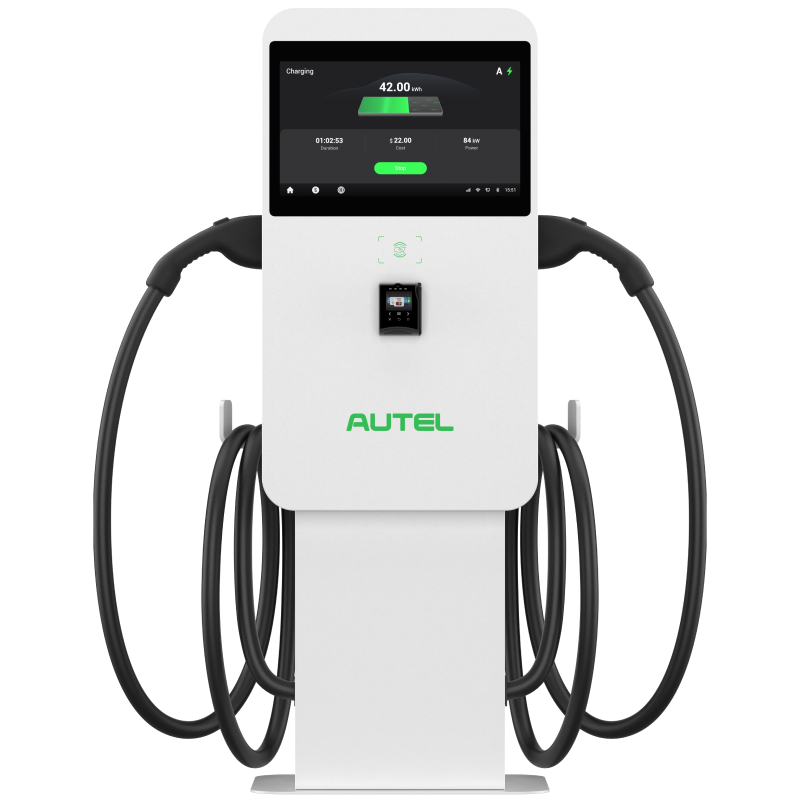
MaxiCharger DC Compact
MaxiCharger AC Pro
MaxiCharger AC Ultra
MaxiCharger AC Elite
ESA500-261KWH-EU10
EMU300 & 600-EU10
MaxiPower X/S
Software
- MaxiCharger DH480
- MaxiCharger AC Pro
- MaxiCharger DC HiPower
- MaxiCharger DC Fast
- MaxiCharger DC Compact
- MaxiCharger AC Elite


- For CPOs
- For Fleets
- For Destinations
- For Residential
- For Charging Stations With PV & ESS
- MaxiCharger DH480
- MaxiCharger DC HiPower
- MaxiCharger DC Fast
- MaxiCharger DC Compact
- MaxiCharger AC Pro
- MaxiCharger AC Ultra
- MaxiCharger AC Elite
- ESA500-261KWH-EU10
- EMU300 & 600-EU10
- MaxiPower X/S
- Software
- Partner Introduction
- Become A Partner
- Events
- FAQ
- Blog
- About Autel
- Contact Us
- Sustainability
- Newsroom
- Brand Center
- Product Center
Login/Sign upGlobalWhat is a level 3 electric vehicle charger?
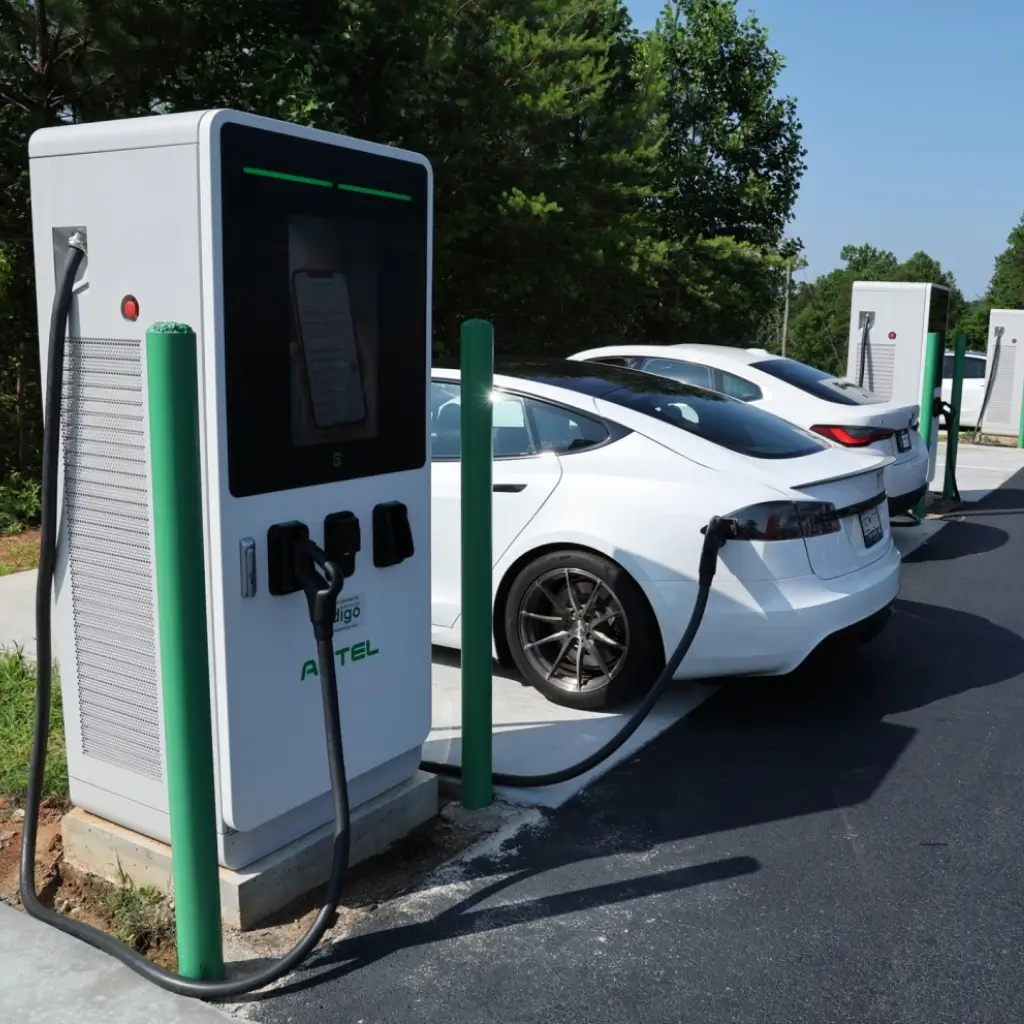
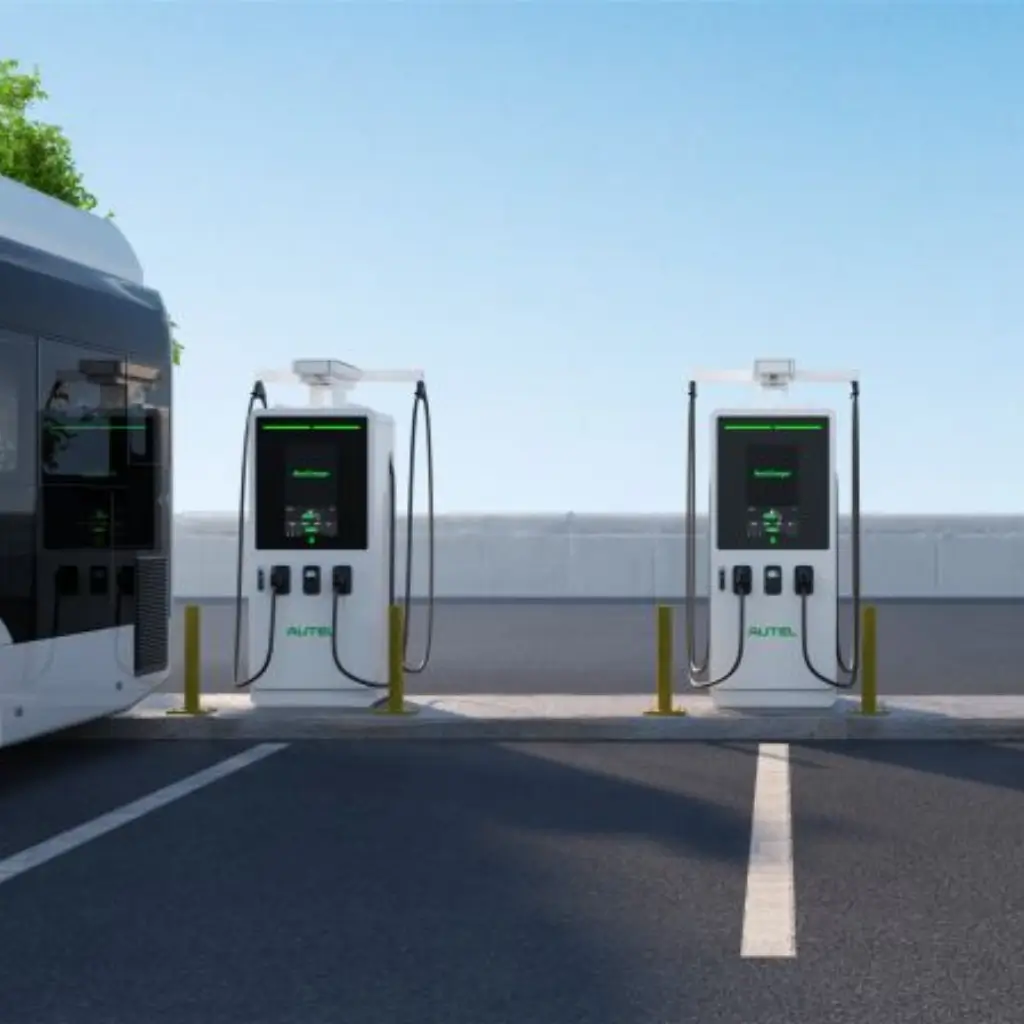
As their recognition grows, so does the call for quicker and greener charging solutions. That's wherein Level three EV Chargers, additionally called DC Fast Chargers (DCFCs), come into play. These excessive-powered chargers are presently the quickest way to recharge an EV, making them perfect for drivers who need to get back on the road quickly.
How Does a Level 3 Charger Differ from Level 1 and Level 2?
Level 1 and Level 2 chargers perform on alternating current (AC) and offer slower charging speeds. In contrast, Level three chargers supply direct current (DC) at once to the automobile's battery. This removes the need for onboard AC-to-DC conversion and permits tons quicker charging.
For corporations with EV fleets or public charging stations—specifically the ones placed alongside highways or city centers—Level three chargers provide unequalled velocity and efficiency.
Charging Speed
Level 3 chargers are impressively speedy. Depending on the EV model, they are able to upload up to 12.5 miles of range per minute at most.
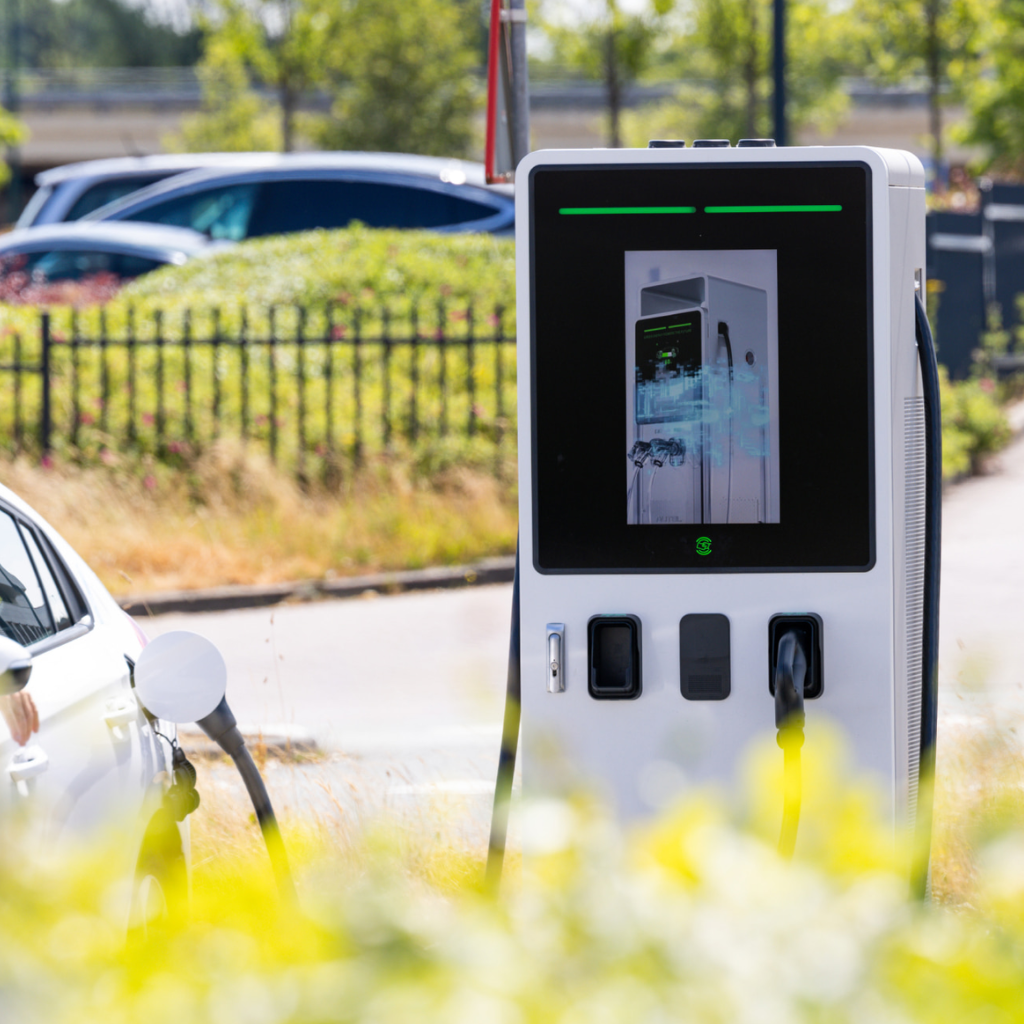
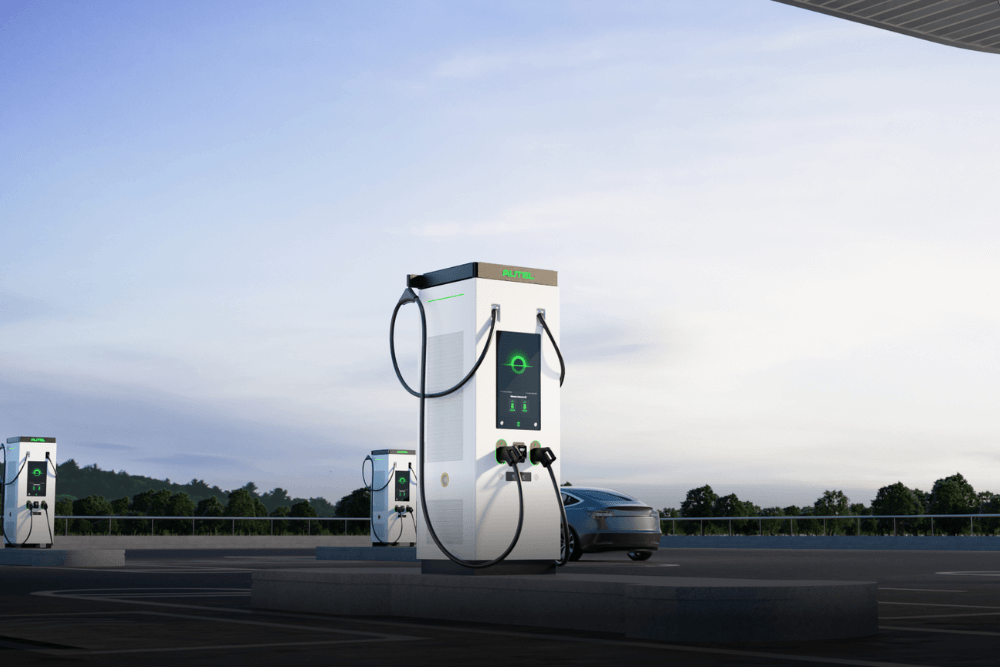
The Autel DC Fast Charger supplies as much as 240 kW power output, permitting even quicker charging speeds and decreasing wait time drastically as compared to traditional models.
Power Output
They usually perform at four hundred to 900 volts and may supply among one hundred and four hundred amps. This excessive energy output is what permits such speedy charging instances.
The Autel DC Fast Charger helps strong energy shipping with as much as a hundred and eighty kW, offering constant excessive amperage and voltage.
Direct Current (DC) Technology
By offering DC at once, Level three chargers skip the automobile's onboard inverter, decreasing conversion losses and drastically dashing up the charging process.
With superior DC technology, Autel chargers decrease power loss and enhance efficiency, supporting fleets and public stations maximize uptime and decrease operational fees.
Pain Points and Common Issues with Level 3 Chargers
Limited Availability
Despite their benefits, Level three chargers are nonetheless now no longer broadly available. Expansion is ongoing, however in lots of regions, drivers might also additionally need to seek notably to locate one nearby.
Higher Costs
The hardware and set up of Level three charging stations are high priced because of their superior technology. On top of that, ongoing renovation is crucial to ensure reliability and overall performance.
Variable Charging Speed
While Level three chargers are speedy, the real charging velocity might also additionally sluggish down after the battery reaches 80%, relying on the EV model, battery condition, and ambient temperature.
Benefits of Level 3 EV Chargers
Convenience for Travelers
For lengthy-distance drivers, Level three chargers dramatically lessen downtime. They're perfect for toll road stops, metropolis centers, and busy regions wherein short pinnacle-ups are critical.
Perfect for Commercial Fleets
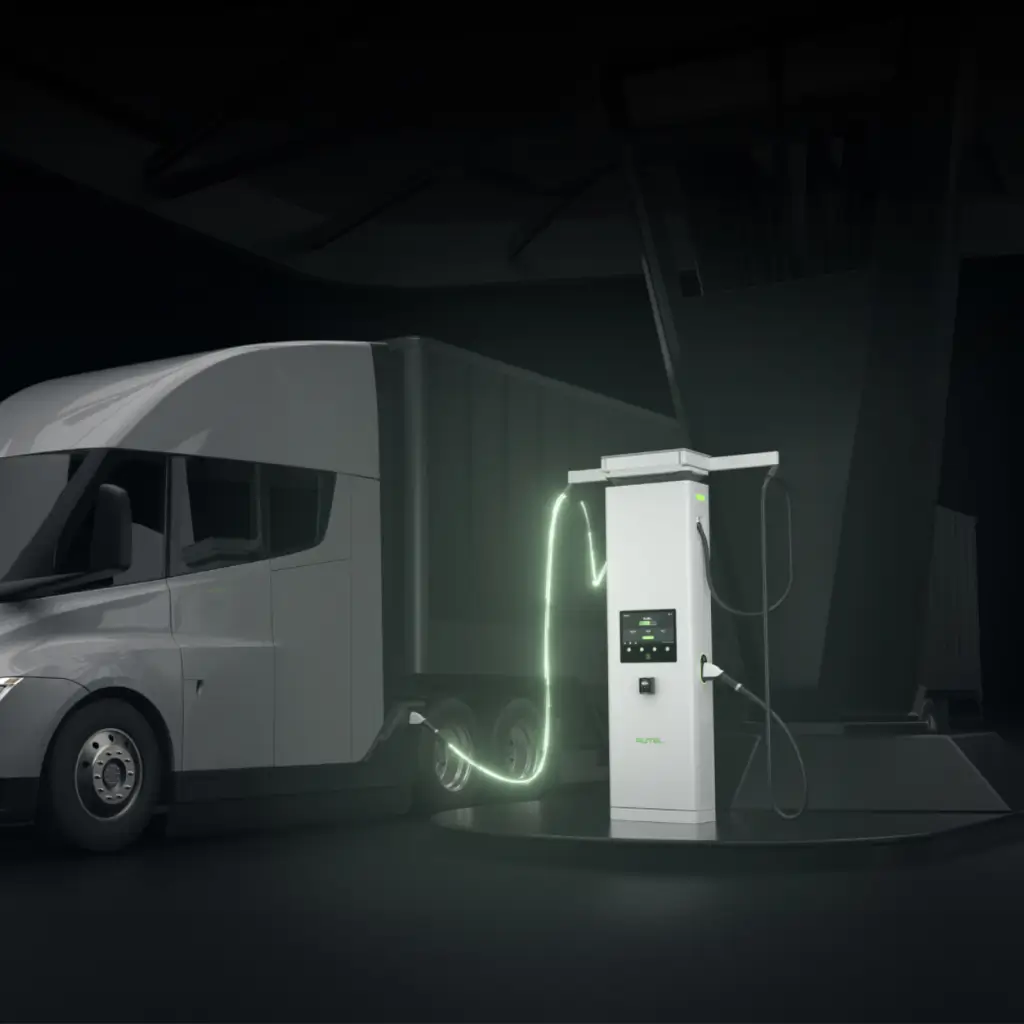
Fleet operators—which include logistics firms, ride-sharing services, and condo companies—can depend on Level three chargers for short turnarounds and stepped forward operational efficiency.
Are Level 3 Chargers Right for You?
It relies upon your using habits.
- If you power lengthy distances, often travel, or manipulate a fleet of EVs, Level three chargers are a high-quality investment.
- If you best power locally, which include commuting to paintings or jogging errands, a Level 2 charger can be extra cost-powerful and enough for everyday needs.
Common Misconceptions About Level 3 Charging
Battery Health Concerns
Some trust that speedy charging degrades battery lifestyles because of heat. While speedy charging does generate extra heat, cutting-edge EVs encompass thermal control structures that guard battery fitness at some point of speedy charging.
Compatibility Worries
Not all EVs are well matched with each Level three charger. However, maximum cutting-edge EVs now help DC speedy charging, and requirements just like the North American Charging Standard (NACS) are supporting unify compatibility throughout brands.
The Future of Level 3 Charging
Level three charging is evolving rapidly. Technological advances are making it quicker, extra affordable, and simpler to deploy. As EV adoption grows, Level three infrastructure will play a critical function in scaling up charging networks and assembly worldwide transportation needs.
How to Use a Level 3 Charger: Step-by-Step
1.Locate a charger through apps like PlugShare.
2.Ensure compatibility together with your automobile or deliver an adapter if necessary.
3.Park close to the charger and flip off your automobile.
4.Connect the charging cable in your EV's charging port.
5.Initiate the consultation through the station's display or cellular app.
6.Monitor progress, then unplug as soon as your automobile is satisfactorily charged.
Conclusion
Level three EV chargers are sport changers withinside the international area of electrical mobility. They deal with key EV worries like lengthy charging instances and variety anxiety—specifically for corporations and travelers.
While fees and availability nonetheless pose challenges, the ease and velocity they provide lead them to the maximum effective and future-evidence answer for extreme EV users.




- CPOs
- Fleets
- Destination
- Residential
- For Charging Stations With PV & ESS
- MaxiCharger DH480
- MaxiCharger DC HiPower
- MaxiCharger DC Fast
- MaxiCharger DC Compact
- MaxiCharger AC Compact
- MaxiCharger AC Elite
- MaxiCharger AC Ultra
- MaxiCharger AC Pro
- Software
- All Products
- Events
- FAQ
- Blog
- About Autel
- Contact Us
- Sustainability
- Newsroom